
Categories
First-Time Buyers

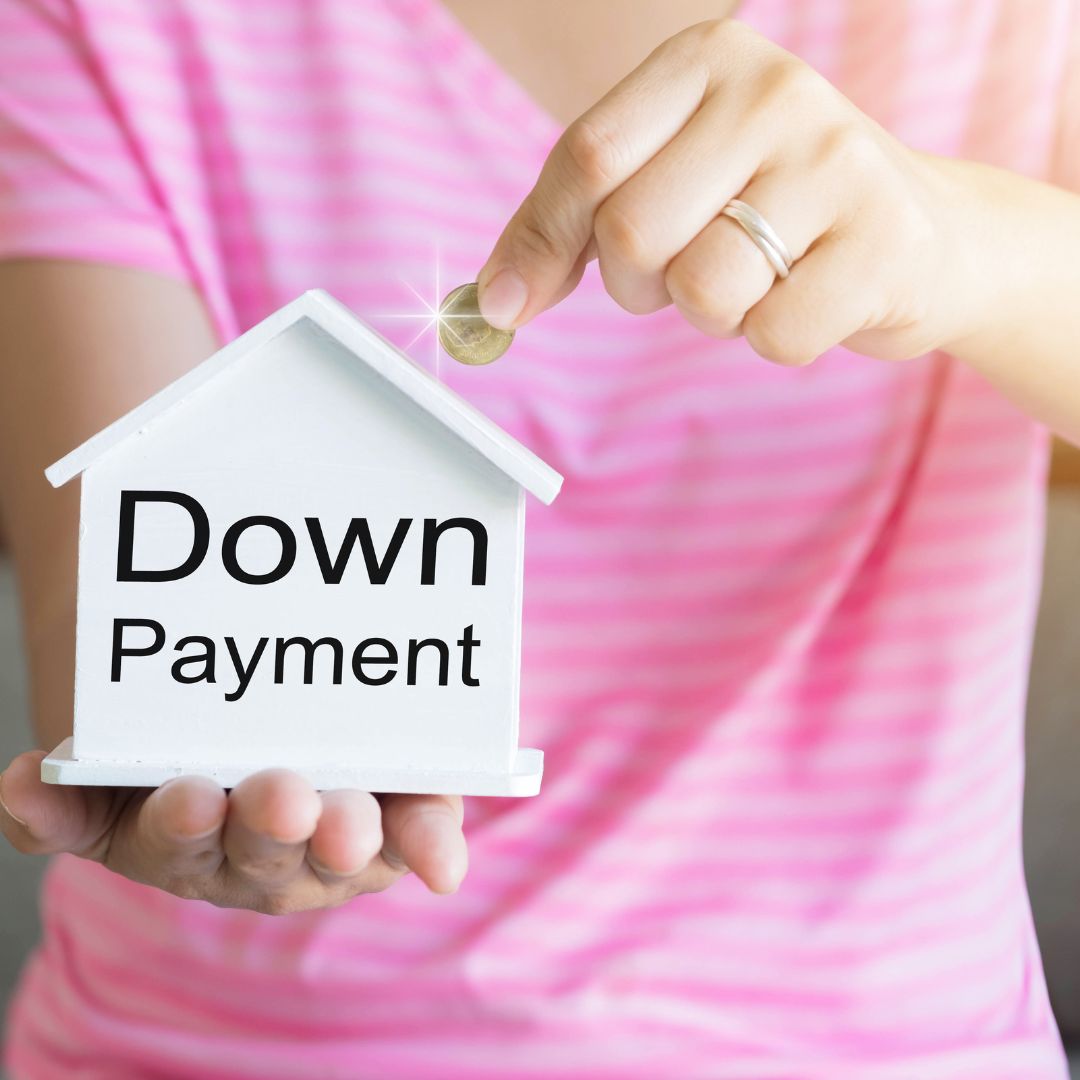
What are the Best Saving Strategies for a Down Payment?

Saving for a down payment can be a significant challenge for many prospective homebuyers. Here are some effective saving strategies for a downpayment that can to help you accumulate the necessary funds:

Utilize Tax-Advantaged Accounts

  • First Home Savings Account (FHSA): This account allows you to save up to $8,000 in the year you open it, with a lifetime contribution limit of $40,000. Contributions are tax-free, making it a beneficial option for first-time buyers.

  • Registered Retirement Savings Plan (RRSP): Under the Home Buyers’ Plan (HBP), you can withdraw up to $35,000 tax-free from your RRSP to use as a down payment. This amount must be repaid within 15 years, but it acts as an interest-free loan for your home purchase.

  • Tax-Free Savings Account (TFSA): While contributions to a TFSA are not tax-deductible, the interest earned is tax-free. You can withdraw funds at any time without tax implications, making it a flexible option for saving.

Create a Detailed Budget

Establish a budget that outlines your income and expenses. Identify areas where you can cut back, such as dining out or entertainment, and allocate those savings toward your down payment. Regularly tracking your spending can help you stay on course.

Also read: How to Prepare for Financial Homeownership

Grow Your Income

Consider taking on a part-time job or freelance work to boost your savings. Additionally, look for opportunities to earn bonuses or commissions at your current job, which can be directed entirely toward your down payment fund.

Sell Unused Items

Declutter your home and sell items you no longer need, such as electronics, furniture, or collectibles. Online marketplaces make it easy to sell these items and can provide a quick influx of cash for your savings.

Adjust Your Spending Habits

  • Grocery Shopping:
    Change your grocery shopping habits by opting for store-brand products or shopping at discount grocery stores. Planning meals and making a shopping list can also help reduce unnecessary purchases.


  • Transportation:
    If feasible, consider reducing your number of vehicles or using public transportation. This can significantly lower your monthly expenses, allowing you to save more for your down payment.


    Also Read:  How Much First Time Home Buyers have to Put Down in Alberta

Automate Your Savings

Set up automatic transfers from your checking account to your savings account specifically for your down payment. This “pay yourself first” approach ensures that you consistently contribute to your savings without having to think about it.

Take Advantage of Government Programs

Research local and federal assistance programs designed for first-time homebuyers. In Alberta, programs like the Alberta PEAK and the Attainable Homes Calgary initiative offer grants and assistance that can ease the burden of saving for a down payment.

By implementing these strategies, you can effectively build your savings and move closer to achieving your goal of homeownership.

Final Thoughts

First-time home buyers in Alberta should aim for at least a 5% down payment, but striving for a higher percentage, such as 20%, can help avoid additional insurance costs and lead to better mortgage terms. It is advisable for buyers to consult with mortgage professionals to understand their options and plan effectively for their home purchase.
Good luck! 

Grab this Free Gift:  Calgary Home Buyers Glossary to help you navigate the real estate jargon and avoid common miscommunication that happen during the home buying process. 

Categories
First-Time Buyers

How to Prepare Financially for Homeownership in Calgary: A Comprehensive Guide

Are you dreaming of owning a home in Calgary? The journey to homeownership is exciting, but it requires careful financial planning and preparation. In this guide, we’ll explore the essential steps to help you prepare financially for homeownership in Calgary’s dynamic real estate market.

What This Guide Covers

In the following sections, we’ll delve into:

  • Strategies for saving and budgeting
  • Understanding Calgary’s unique real estate market
  • Navigating mortgage options and pre-approval processes
  • Exploring first-time homebuyer programs in Calgary
  • Assessing additional costs of homeownership
  • Working with real estate professionals

So whether you’re eyeing a downtown Calgary condo or a suburban family home, this guide will provide you with the knowledge and key tips you need to make informed decisions on your path to homeownership.

Let’s begin your journey to becoming a well-prepared homeowner in Calgary!

Understanding Calgary's Housing Market

Calgary’s real estate landscape is as diverse as the city itself. From bustling downtown condos to spacious suburban homes, the market offers options for every type of homebuyer. Let’s dive into the current state of Calgary’s housing market to help you make informed decisions.


Current Market Trends

The Calgary housing market has shown resilience and growth in recent years. Here are some key trends to keep in mind:

  1. Steady appreciation: Property values in many Calgary neighborhoods have been on an upward trajectory.
  2. Increased demand: Low interest rates and changing work patterns have fueled interest in homeownership.
  3. Inventory fluctuations: The balance between supply and demand varies by neighborhood and property type.


Calgary Housing Market Insights 2024

  • Calgary housing market trends show a significant increase in home prices driven by limited supply, with the benchmark home price rising 8.5% year-over-year to $608,000, while the number of home sales has decreased by 13% compared to last year. 
  • The average home price in Calgary has also increased by 13% to $623,245, reflecting a strong demand despite rising mortgage rates and declining affordability in the market.


Factors Influencing Calgary’s Real Estate Market

Several key factors contribute to the dynamics of Calgary’s housing market:

  1. Economic conditions: The health of Alberta’s oil and gas industry often impacts the real estate market.
  2. Population growth: Calgary continues to attract newcomers, driving housing demand.
  3. Interest rates: Changes in mortgage rates can significantly affect affordability and market activity.
  4. Government policies: Federal and provincial housing initiatives can influence buying patterns.

Best Time to Buy a House in Calgary

While personal circumstances should guide your decision, certain seasons can offer advantages:

  • Spring: Largest inventory, but also more competition
  • Fall: Potential for good deals as sellers aim to close before winter
  • Winter: Less competition, motivated sellers

Remember: The “best” time to buy is when you’re financially prepared and find a home that meets your needs.


Key Tips:

  • Calgary’s real estate market is diverse, with options for various budgets and preferences.
  • Current trends suggest a stable market with potential for growth.
  • Understanding neighborhood-specific data is crucial for making informed decisions.
  • Timing your purchase should balance market conditions with your personal readiness.

By understanding these aspects of Calgary’s housing market, you’ll be better equipped to navigate your homebuying journey. 

II. Assessing Your Financial Readiness

Before diving into the Calgary real estate market, it’s crucial to evaluate your financial situation. This assessment will help you understand how much house you can afford and identify areas for improvement in your financial profile.

Why Financial Preparation is Crucial
Preparing financially for homeownership goes beyond saving for a down payment. It involves a comprehensive approach to your finances, including:

  1. Assessing your current financial health
  2. Understanding mortgage options and requirements
  3. Budgeting for additional homeownership costs
  4. Planning for long-term financial stability

By taking these steps, you’ll be better positioned to navigate the home buying process in Alberta and find a property that fits both your lifestyle and budget.


Start by Evaluating Your Credit Score

Your credit score plays a significant role in your mortgage application process. Here’s what you need to know:

Credit Score do you need to buy a house in Calgary:

  • Minimum score for traditional mortgage: Usually 620+
  • For the best rates: 700+
  • For CMHC-insured mortgages: 680+ is ideal

Tip: Check your credit score for free through services offered by many Canadian banks or credit bureaus.

1. Calculate Your Debt-to-Income Ratio for Mortgages

Lenders use your debt-to-income ratio (DTI) to assess your ability to manage monthly payments. Here’s how to calculate it:

  1. Sum up all your monthly debt payments
  2. Divide this total by your gross monthly income
  3. Multiply by 100 to get the percentage

Target DTI Ratios:

  • 35% or less: Excellent
  • 36% to 42%: Good
  • 43% to 49%: Acceptable, but may limit your options
  • 50% or higher: May need to improve before applying


Determining How Much House You Can Afford

Several factors influence your home buying power:

  • Annual income
  • Down payment amount
  • Monthly debts
  • Credit score
  • Current interest rates


Tools to Help You Calculate:

  1. CMHC Mortgage Calculator: Offers a comprehensive affordability estimate
  2. Bank Mortgage Calculators: Most major Canadian banks offer these tools
  3. Affordability Spreadsheets: Create your own for a personalized approach

Remember: Just because you can afford a certain amount on paper doesn’t mean you should stretch your budget to the limit.


2. Assess Your Savings

Consider these key financial aspects:

  1. Down Payment: Minimum 5% for homes under $500,000, with a sliding scale for pricier properties
  2. Closing Costs: Budget 1.5% to 4% of the home’s purchase price
  3. Emergency Fund: Aim for 3-6 months of living expenses
  4. Moving and Initial Home Costs: Don’t forget about immediate expenses after purchase


3. Improve Your Financial Profile

If your assessment reveals areas for improvement, consider these steps:

  1. Pay down existing debts to lower your DTI
  2. Boost your credit score by making payments on time and reducing credit utilization
  3. Increase your savings rate for a larger down payment
  4. Consider additional income sources to improve your overall financial picture

Key Tips:

  • Understanding your credit score and debt-to-income ratio is crucial
  • Use online tools like the CMHC mortgage calculator to estimate affordability
  • Consider all costs associated with homeownership, not just the mortgage
  • Be prepared to make improvements to your financial profile if necessary

By thoroughly assessing your financial readiness, you’ll be better prepared to enter the Calgary housing market with confidence. 

III. Saving for a Down Payment

One of the biggest hurdles for potential homeowners in Calgary is accumulating enough savings for a down payment. Let’s explore the requirements and strategies to help you reach this crucial milestone.
 

Minimum Down Payment Requirements in Calgary

The amount you’ll need to save depends on the purchase price of your desired home:

  • For homes $500,000 or less: Minimum 5% of the purchase price
  • For homes $500,000 to $999,999:
    • 5% of the first $500,000
    • 10% of the remaining amount
  • For homes $1 million or more: Minimum 20% of the purchase price

Note: While these are the minimums, a larger down payment can significantly reduce your mortgage costs.


Benefits of a Larger Down Payment

Saving more than the minimum can offer several advantages:

  1. Lower monthly mortgage payments
  2. Reduced mortgage insurance premiums (or elimination if 20%+ down payment)
  3. More equity in your home from the start
  4. Potentially better mortgage rates


Down Payment Savings Strategies

Wondering how to save for a house in Calgary? Try these effective methods:

  1. Automate your savings: Set up automatic transfers to a dedicated savings account
  2. Cut unnecessary expenses: Review your budget and redirect funds to savings
  3. Explore additional income sources: Consider part-time work or freelancing
  4. Use tax-free savings accounts: Take advantage of TFSAs for your down payment fund
  5. Look into the Home Buyers’ Plan (HBP): This allows you to withdraw from your RRSP for a down payment


How Long does it Take to Save for a House in Calgary?

The timeline varies based on your income, expenses, and savings rate. Here’s a rough estimate using current data:

  • Average home price in Calgary: $550,000 (as of 2024)
  • 5% down payment: $27,500
  • Saving $1,000 per month: Approximately 28 months (2 years and 4 months)

Here’s the breakdown:

  • $27,500 (down payment) ÷ $1,000 (monthly savings) = 27.5 months

Remember, this is just an example.
Your personal timeline may differ based on your specific circumstances and goals. Factors such as changes in the housing market, your ability to save more than $1,000 per month, or choosing a home above or below the average price will all impact your saving timeline.

Government Programs to Boost Your Down Payment Savings

Several programs can help first-time homebuyers in Calgary:

  1. First-Time Home Buyer Incentive: A shared equity mortgage with the Government of Canada
  2. Alberta Home Ownership Tools: Provincial programs to assist with homeownership
  3. Calgary-specific initiatives: Check with the City of Calgary for any local programs

Tips for Accelerating Your Savings

  1. Create a visual savings tracker to stay motivated
  2. Consider temporarily moving to a less expensive rental to increase savings
  3. Sell items you no longer need and add the proceeds to your down payment fund
  4. Ask family members about gifting options for down payment assistance

Key Tips

  • Understand the minimum down payment requirements based on home price
  • Consider the benefits of saving more than the minimum
  • Explore various savings strategies and government programs
  • Set realistic timelines based on your personal financial situation

By focusing on your down payment savings, you’re taking a crucial step towards homeownership in Calgary. 

IV. Understanding Mortgage Options in Calgary

Navigating the world of mortgages can be complex, but understanding your options is crucial when preparing to buy a home in Calgary. Let’s explore the various mortgage types and processes available to you.

Types of Mortgages Available

Calgary homebuyers have several mortgage options to consider:

  1. Fixed-rate mortgages: Interest rate remains constant for the term
  2. Variable-rate mortgages: Interest rate fluctuates with the market
  3. Open mortgages: Allow for prepayment without penalties
  4. Closed mortgages: Offer lower rates but have prepayment restrictions
  5. Conventional mortgages: Require a down payment of 20% or more
  6. High-ratio mortgages: For down payments less than 20%, requiring mortgage insurance

Pro tip: Consider your risk tolerance and financial goals when choosing between fixed and variable rates.


Getting Pre-Approved for a Mortgage

Mortgage pre-approval is a crucial step in your home buying journey. Here’s why it’s important:

  • Determines how much you can borrow
  • Locks in an interest rate (usually for 60-120 days)
  • Demonstrates to sellers that you’re a serious buyer


Steps to Get a Mortgage Pre-Approval in Calgary

  1. Gather necessary documents (proof of income, assets, and debts)
  2. Choose a lender or mortgage broker
  3. Complete the pre-approval application
  4. Provide additional information if requested
  5. Receive your pre-approval letter
    Learn more about getting a mortgage pre-approval here


Calgary-Specific Mortgage Programs and Incentives

Several programs are available to help Calgary homebuyers:

  • Attainable Homes Calgary: Offers down payment assistance for eligible buyers
  • CMHC First-Time Home Buyer Incentive: Provides 5-10% of the home’s purchase price to put toward a down payment
  • Alberta Affordable Home Ownership Program: Offers assistance through partnerships with municipalities and builders

Understanding the Canadian Mortgage Stress Test

All homebuyers in Calgary must pass the mortgage stress test. The Canadian Mortgage Stress Test is a regulatory requirement designed to ensure that borrowers can afford their mortgage payments even if interest rates rise in the future.
Here’s what you need to know:

  • Applies to all mortgages, including those with a 20%+ down payment
  • Tests if you can afford payments at a qualifying rate higher than your actual rate
  • Qualifying rate is the higher of 5.25% or your contract rate plus 2%

Working with Mortgage Professionals

Consider these options when seeking mortgage advice:

  1. Bank mortgage specialists: Work directly with a specific bank
  2. Mortgage brokers: Access rates and products from multiple lenders
  3. Credit unions: Often offer competitive rates and more flexible terms


Key Factors Affecting Your Mortgage Application

  1. Credit score
  2. Down payment amount
  3. Income and employment stability
  4. Existing debts and financial obligations
  5. The property’s value and condition


Tips for a Successful Mortgage Application

  1. Maintain a stable employment history
  2. Save for a larger down payment if possible
  3. Pay down existing debts
  4. Avoid taking on new credit before applying
  5. Be honest and thorough in your application

Key Takeaways

  • Understand the different types of mortgages available in Calgary
  • Get pre-approved to know your budget and show sellers you’re serious
  • Familiarize yourself with local and national mortgage assistance programs
  • Prepare for the mortgage stress test
  • Consider working with a mortgage professional for personalized advice

Understanding your mortgage options is a crucial step in your journey to homeownership in Calgary. 

V. Additional Costs of Homeownership in Calgary

While your mortgage will likely be your largest expense, it’s crucial to budget for other costs associated with buying and owning a home in Calgary. Understanding these expenses will help you prepare financially for long-term homeownership.


Property Taxes and Calgary Property Assessment
Property taxes are an ongoing expense for homeowners in Calgary:

  • Based on the assessed value of your property
  • Reassessed annually by the City of Calgary
  • Can be paid monthly or annually

Calgary Property Tax Rates:

  • Residential tax rate:  0.0064861% of assessed value
  • Non-residential tax rate: 0.0219922% of assessed value

Tip: Use the City of Calgary’s property tax calculator to estimate your potential property tax expenses.

Home Insurance Requirements Alberta

Home insurance is essential for protecting your investment:

  • Not legally required, but typically mandatory for mortgage approval
  • Covers the structure, contents, and liability
  • Costs vary based on factors like home value, location, and coverage level

Average annual home insurance costs in Calgary is $1,923 which translates to $160.25 per month.


Maintenance and Repairs

Budget for ongoing maintenance to keep your home in good condition:

  • Annual maintenance costs: Typically 1-3% of home’s value
  • Create a separate savings account for major repairs and replacements
  • Consider home warranties for added protection

Common maintenance expenses in Calgary:

  • HVAC system servicing
  • Roof inspections and repairs
  • Exterior painting
  • Landscaping and snow removal

Average Utility Costs for Homeowners in Calgary

Utility expenses can vary based on home size, efficiency, and usage.
Energy-saving tip: Consider upgrading to energy-efficient appliances and improving insulation to reduce utility costs.

Closing Costs Calgary

When budgeting for your home purchase, include these closing costs:

  • Legal fees
  • Land transfer tax
  • Home inspection
  • Title insurance
  • Mortgage default insurance (if applicable): 2.8% to 4% of mortgage amount

    Total closing costs typically range from 1.5% to 4% of the home’s purchase price.

Condo Fees (If Applicable)

If you’re buying a condo, factor in monthly condo fees:

  • Cover shared expenses like maintenance, insurance, and amenities
  • Vary widely based on the building and its features
  • Condo fees in Calgary:
    The average condo fees in Calgary typically cost around $0.50 per square foot. For instance, a 750-square-foot condo would result in monthly fees of approximately $375. However, these fees can vary significantly depending on the specific building and its amenities, with luxury condos potentially charging between $0.70 to $1.00 per square foot or more.


Moving Expenses

Don’t forget to budget for the cost of moving into your new home:

  • Professional movers.
  • Truck rental if moving yourself per day
  • Packing supplies

Key Tips

  • Property taxes are an ongoing expense based on your home’s assessed value
  • Home insurance is crucial for protecting your investment
  • Budget for regular maintenance and unexpected repairs
  • Factor in utility costs when considering your monthly expenses
  • Don’t forget about closing costs when budgeting for your home purchase
  • If buying a condo, include condo fees in your financial planning
  • Plan for moving expenses when preparing to buy a home

Understanding these additional costs will help you create a more accurate budget for homeownership in Calgary.

VI. Building an Emergency Fund

As a homeowner in Calgary, having a robust emergency fund is crucial for financial stability and peace of mind. Let’s explore why this fund is important and how to build one effectively.

Importance of Having a Financial Cushion

An emergency fund serves several vital purposes for Calgary homeowners:

  1. Covers unexpected home repairs
  2. Provides security during economic downturns
  3. Helps manage unforeseen life events (e.g., job loss, medical emergencies)
  4. Reduces reliance on high-interest debt for emergencies

Remember: Your emergency fund is your first line of defense against financial setbacks.


How Much to Save for Emergencies

The ideal size of your emergency fund depends on your circumstances:

  • General rule: 3-6 months of living expenses
  • For homeowners: Consider aiming for 6-12 months due to potential home repair costs
  • Factors to consider:
    • Job stability
    • Income variability
    • Health conditions
    • Age of your home


Calgary-Specific Considerations:

  • Higher utility costs during extreme weather
  • Potential for hail damage repairs
  • Economic fluctuations tied to the energy sector


Tips for Building Your Emergency Fund

  1. Start small: Begin with a goal of $1,000, then build from there
  2. Automate savings: Set up automatic transfers to your emergency fund account
  3. Use windfalls wisely: Allocate tax refunds or work bonuses to your fund
  4. Review and cut expenses: Redirect savings to your emergency fund
  5. Consider a side hustle: Use extra income to boost your savings
  6. Keep it liquid: Use a high-interest savings account for easy access


Where to Keep Your Emergency Fund

Options for Calgary homeowners:

  1. High-interest savings account
  2. Tax-Free Savings Account (TFSA)
  3. Combination of cash savings and a low-interest line of credit

Avoid keeping emergency funds in:

  • Investments with high volatility
  • Accounts with withdrawal penalties
  • Your home equity (via a HELOC) as your only emergency source


Balancing Emergency Savings with Other Financial Goals

While building your emergency fund, consider:

  • Paying down high-interest debt
  • Saving for retirement
  • Saving for home maintenance and upgrades

Prioritize based on your personal financial situation and goals.


When to Use Your Emergency Fund

Appropriate uses for your emergency fund include:

  • Unexpected job loss
  • Major home repairs (e.g., roof damage, furnace replacement)
  • Medical emergencies not covered by Alberta Health Care
  • Essential car repairs

Avoid using your emergency fund for:

  • Planned expenses
  • Non-essential purchases
  • Regular home maintenance


Replenishing Your Emergency Fund

After using your emergency fund:

  1. Assess why you needed to use it
  2. Adjust your budget to prioritize replenishing the fund
  3. Consider increasing your fund if you find you’re using it frequently


Key Tips

  • An emergency fund is crucial for financial stability as a Calgary homeowner
  • Aim for 3-12 months of expenses, depending on your situation
  • Build your fund gradually through consistent savings and smart financial choices
  • Keep your emergency fund easily accessible but separate from daily spending
  • Use the fund wisely and replenish it promptly after use

By building and maintaining a solid emergency fund, you’ll be better prepared to handle the unexpected challenges of homeownership in Calgary.

VII. Improving Your Financial Profile

Enhancing your financial profile is crucial when preparing for homeownership in Calgary. A strong financial standing can help you secure better mortgage terms and make the home buying process smoother. Let’s explore key strategies to improve your financial health.


Paying Down Existing Debts

Reducing your debt load is essential for improving your debt-to-income ratio and credit score:

  1. Prioritize high-interest debts: Focus on credit cards and personal loans first
  2. Consider the debt avalanche method: Target debts with the highest interest rates
  3. Explore debt consolidation: This may simplify payments and potentially lower interest rates
  4. Avoid taking on new debt: Especially when preparing for a mortgage application

Pro tip: Aim to keep your credit utilization below 30% of your available credit limit.


Increasing Your Income

Boosting your income can accelerate debt repayment and savings:

  • Ask for a raise: Prepare a case based on your contributions and market rates
  • Seek promotion opportunities: Look for advancement within your current company
  • Consider a side hustle: Explore freelance work or part-time jobs in Calgary
  • Invest in yourself: Acquire new skills to increase your earning potential


Calgary-Specific Income Opportunities:

  • Oil and gas industry consulting
  • Tech sector roles (Calgary’s growing tech hub)
  • Tourism and hospitality (seasonal opportunities)
  • Remote work for companies outside Alberta


Maintaining a Stable Employment History

Lenders favor applicants with consistent employment:


Improving Your Credit Score

A higher credit score can lead to better mortgage rates:

  1. Pay all bills on time
  2. Keep credit card balances low
  3. Don’t close old credit accounts
  4. Limit new credit applications
  5. Check your credit report regularly and dispute any errors

Target credit score ranges for mortgages in Calgary:

Building Savings Beyond the Down Payment

Demonstrate financial responsibility by saving more than just your down payment:

  • Aim for 3-6 months of living expenses in an emergency fund
  • Save for closing costs (typically 1.5-4% of home price in Calgary)
  • Plan for moving expenses and initial home purchases

Creating and Sticking to a Budget

A solid budget is the foundation of good financial health:

  1. Track all income and expenses
  2. Identify areas for potential savings
  3. Set realistic financial goals
  4. Use budgeting apps or spreadsheets to stay organized
  5. Review and adjust your budget regularly

Educating Yourself on Personal Finance

Knowledge is power when it comes to managing your finances:

  • Attend free financial workshops offered by Calgary Public Library
  • Follow reputable Canadian personal finance blogs and podcasts
  • Consider consulting with a financial advisor
  • Stay informed about Calgary’s economic trends and housing market

Key Takeaways

  • Focus on paying down existing debts to improve your debt-to-income ratio
  • Look for opportunities to increase your income
  • Maintain stable employment or document any changes
  • Work on improving your credit score for better mortgage terms
  • Save beyond just your down payment
  • Create and stick to a comprehensive budget
  • Continually educate yourself on personal finance topics

By improving your overall financial profile, you’ll be better positioned to achieve homeownership in Calgary and manage the associated responsibilities.

Conclusion

Purchasing a home in Calgary is more than just a financial transaction; it’s an investment in your future and a step towards putting down roots in one of Canada’s most dynamic cities. While the process may seem daunting, remember that with proper preparation and the right support, you can navigate this journey successfully.

Calgary offers a unique blend of urban amenities and natural beauty, with a real estate market that provides opportunities for various lifestyles and budgets. Whether you’re drawn to the bustling energy of downtown condos or the family-friendly suburbs, there’s a place for you in this city.

See our portfolio of current  housing projects here.

Get A Free Downloadable Home Buyers Glossary to help you with the real estate industry lingo in Calgary.

Categories
First-Time Buyers

How Much Do First-Time Home Buyers Have to Put Down in Alberta?

Saving for a down payment on your first home can feel like an endless climb. With housing prices on the rise, it’s natural to wonder how much you actually need to get your foot in the door.

Here’s a helpful explanation of the down payment requirements for first-time home buyers in Alberta. These will also explore some potential strategies to make your homeownership dreams a reality for first-time buyers in the province.

What is the Minimum Down Payment Requirement?

  • For homes priced under $500,000: The minimum down payment is 5% of the purchase price.
  • For homes priced between $500,000 and $999,999: The minimum down payment is 5% on the first $500,000 and 10% on the portion exceeding $500,000.
  • For homes priced at $1 million or more: The minimum down payment is 20% of the total purchase price.

Additional Considerations To Know:


  • Mortgage Insurance:

    If the down payment is less than 20%, buyers will need to obtain mortgage loan insurance through providers like CMHC (Canada Mortgage and Housing Corporation) to protect the lender in case of default.

  • First-Time Home Buyer Programs:

    Alberta offers various assistance programs, such as the Alberta PEAK program, which provides grants to help cover down payments and closing costs for eligible buyers.

  • Home Buyers’ Plan:

    First-time buyers can withdraw up to $35,000 tax-free from their Registered Retirement Savings Plan (RRSP) to use toward their down payment.

What are the Benefits of a 20% Down Payment in Alberta?

There are several key benefits to aiming for a 20% down payment when buying a home in Alberta:

Avoid Mortgage Insurance Costs

If your down payment is less than 20%, you will need to purchase mortgage loan insurance through providers like CMHC (Canada Mortgage and Housing Corporation). This insurance protects the lender in case you default on the loan. The cost of the insurance premium can add up to thousands of dollars and is based on the loan-to-value ratio, with lower down payments resulting in higher premiums.

Lower Monthly Mortgage Payments

A larger down payment reduces the total mortgage amount you need to borrow. For the same amortization period and interest rate, a smaller mortgage will result in lower monthly payments. For example, on a $250,000 home at 3.4%, a 20% down payment of $50,000 would result in monthly payments of $988 over 25 years, compared to $1,220 with a 5% down payment.


Pay Less Interest Over the Life of the Loan

With a smaller mortgage amount, you’ll pay less interest over the life of the loan. This can save you tens of thousands of dollars in interest costs.


Pay Off the Mortgage Faster

If your budget allows, you can make higher monthly payments with the lower mortgage amount from a 20% down payment. This allows you to pay off the mortgage sooner, for example in 20 years instead of 25.


Immediate Equity in Your Home

A 20% down payment gives you instant equity in your home, which can be accessed through refinancing or a home equity line of credit if needed in the future.


While saving up 20% can be challenging, especially for first-time buyers, it provides significant financial advantages in the long run by reducing costs, payments, and interest. However, it’s still possible to purchase a home with a smaller down payment by taking advantage of programs like the Alberta PEAK down payment assistance.


What are the Benefits of a Larger Down Payment?

There are several key benefits to making a larger down payment when buying a home in Alberta:

Lower Monthly Mortgage Payments

A larger down payment means you need to borrow less, resulting in lower monthly mortgage payments. For example, on a $250,000 home at 3.4% interest, a 20% down payment of $50,000 would lead to monthly payments of $988 over 25 years, compared to $1,220 with a 5% down payment.

Avoid Mortgage Insurance Costs
A larger down payment means you need to borrow less, resulting in lower monthly mortgage payments. For example, on a $250,000 home at 3.4% interest, a 20% down payment of $50,000 would lead to monthly payments of $988 over 25 years, compared to $1,220 with a 5% down payment.

Pay Less Interest Over the Life of the Loan

By borrowing less, you’ll pay significantly less interest over the life of the mortgage. For a $200,000 home, a 20% down payment of $40,000 would save you over $28,000 in interest compared to a no down payment scenario.

Increased Equity and Flexibility
A larger down payment gives you more equity in your home from the start. This provides financial security and options if you need to refinance or sell in the future. For example, if you put 20% down on a $500,000 home, you immediately have $100,000 in equity.

Better Chance of Mortgage Approval

Lenders view larger down payments favorably as they demonstrate the buyer’s financial stability and commitment. This can improve your chances of mortgage approval, especially if you have less-than-perfect credit.

Also read: What is Mortgage Pre-Approval?

Competitive Advantage in a Bidding War

When multiple buyers are competing for a home, sellers prefer offers with larger down payments. This is because larger down payments make it less likely the deal will fall through due to financing issues.

While saving up a 20% down payment can be challenging, the long-term benefits of lower costs, payments, and interest make it a smart financial move for most buyers who can afford it. However, even a 5% down payment is sufficient to purchase a home in Alberta.

Does a Larger Down Payment affect my Chances of Getting a Mortgage Approved?

A larger down payment significantly enhances your chances of getting a mortgage approved for several reasons:

Demonstrates Financial Stability

Lenders view a larger down payment as a sign of financial responsibility and stability. It indicates that the borrower has the ability to save and manage their finances effectively, which can positively influence the lender’s decision-making process.

Reduces Risk for Lenders

A larger down payment lowers the loan-to-value (LTV) ratio, which is the amount of the mortgage compared to the appraised value of the home. A lower LTV reduces the lender’s risk, making them more likely to approve the mortgage application. For example, if you put down 20% on a home, the LTV is 80%, which is generally considered a safer investment for lenders.

Avoids Mortgage Insurance

By making a larger down payment (typically 20% or more), borrowers can avoid the costs associated with mortgage loan insurance, which is required for down payments below 20%. This not only reduces monthly payments but also simplifies the mortgage approval process, as lenders prefer applications without the added complexity of insurance requirements.

Increases Borrowing Power

A larger down payment can increase your borrowing power, allowing you to qualify for a larger mortgage. This is particularly beneficial in competitive housing markets, where higher-priced homes may require a more substantial down payment to secure financing.

Better Loan Terms

With a larger down payment, borrowers may qualify for better loan terms, such as lower interest rates. Lenders often offer more favorable terms to those who present less risk, which can save you money over the life of the loan.


In summary, a larger down payment not only improves your chances of mortgage approval but also provides financial advantages that can lead to long-term savings and stability.

Also read Is Buying A Home in Canada A Good Investment?

What are the Best Saving Strategies for a Down Payment?

Saving for a down payment can be a significant challenge for many prospective homebuyers. Here are some effective strategies to help you accumulate the necessary funds:

1. Make Use of Tax-Advantaged Accounts

  • First Home Savings Account (FHSA): This account allows you to save up to $8,000 in the year you open it, with a lifetime contribution limit of $40,000. Contributions are tax-free, making it a beneficial option for first-time buyers.
  • Registered Retirement Savings Plan (RRSP): Under the Home Buyers’ Plan (HBP), you can withdraw up to $35,000 tax-free from your RRSP to use as a down payment. This amount must be repaid within 15 years, but it acts as an interest-free loan for your home purchase.
  • Tax-Free Savings Account (TFSA): While contributions to a TFSA are not tax-deductible, the interest earned is tax-free. You can withdraw funds at any time without tax implications, making it a flexible option for saving.


2. Create a Detailed Budget

Establish a budget that outlines your income and expenses. Identify areas where you can cut back, such as dining out or entertainment, and allocate those savings toward your down payment. Regularly tracking your spending can help you stay on course.


3. Increase Your Income

Consider taking on a part-time job or freelance work to boost your savings. Additionally, look for opportunities to earn bonuses or commissions at your current job, which can be directed entirely toward your down payment fund.


4. Sell Unused Items

Declutter your home and sell items you no longer need, such as electronics, furniture, or collectibles. Online marketplaces make it easy to sell these items and can provide a quick influx of cash for your savings.


5. Adjust Your Spending Habits

  • Grocery Shopping: Change your grocery shopping habits by opting for store-brand products or shopping at discount grocery stores. Planning meals and making a shopping list can also help reduce unnecessary purchases.
  • Transportation: If feasible, consider reducing your number of vehicles or using public transportation. This can significantly lower your monthly expenses, allowing you to save more for your down payment.

6. Automate Your Savings

Set up automatic transfers from your checking account to your savings account specifically for your down payment. This “pay yourself first” approach ensures that you consistently contribute to your savings without having to think about it.


7. Take Advantage of Government Programs

Research local and federal assistance programs designed for first-time homebuyers. In Alberta, programs like the Alberta PEAK and the Attainable Homes Calgary initiative offer grants and assistance that can ease the burden of saving for a down payment.

By implementing these strategies, you can effectively build your savings and move closer to achieving your goal of homeownership. Also read The 7 Steps to Mastering Your Home Buying Budget.

Conclusion

First-time home buyers in Alberta should aim for at least a 5% down payment, but striving for a higher percentage, such as 20%, can help avoid additional insurance costs and lead to better mortgage terms. It is also advisable for buyers to consult with mortgage professionals to understand their options and plan effectively for their home purchase.

Grab This! The Free Calgary Home Buyers Glossary downloadable to help you understand the real estate jargon.