
Categories
First-Time Buyers

First-Time Home Buyer Incentives in Alberta for 2026: The Complete Guide

First-time home buyers in Alberta can access several federal programs in 2026: the First Home Savings Account (FHSA, up to $40,000 lifetime), the Home Buyers’ Plan ($60,000 RRSP withdrawal), the First-Time Home Buyers’ Tax Credit ($1,500 back), a 5% GST rebate on new homes, and 30-year amortization.

Calgary buyers can also access Attainable Homes Calgary. Used together, these programs can save you tens of thousands of dollars.

Buying your first home in Alberta is a big deal. Good news is that it’s also more achievable than many buyers realise, because there are real programs designed to help you get there. The challenge is knowing which ones still exist, which have ended, and how to combine the ones that work.

If you’ve been searching for first-time home buyer incentives in Alberta, you’ve probably come across some confusing or outdated information. Some articles still mention the federal First-Time Home Buyer Incentive (FTHBI), which was cancelled in March 2024. Others mix up programs that apply in Alberta with ones that don’t.

This guide covers the programs that are actually available to Alberta buyers in 2026, what each one offers, who qualifies, and how to use them together when buying a new home. At Jenga Homes, we help first-time buyers in Calgary and High River navigate this process every day. Here’s what you need to know.

What First-Time Home Buyer Incentives Are Available in Alberta in 2026?

First-time buyers in Alberta can access five core programs in 2026: the First Home Savings Account (FHSA), the Home Buyers’ Plan (HBP), the First-Time Home Buyers’ Tax Credit, a 5% GST rebate on new homes under $1 million, and the 30-year amortization option. Calgary buyers may also qualify for Attainable Homes Calgary. The federal First-Time Home Buyer Incentive (FTHBI) is no longer available — it was discontinued in March 2024.

First-time home buyers incentives Alberta 2026 guide by Jenga Homes

What Is the First Home Savings Account (FHSA) and How Does It Work?

The FHSA is the most powerful savings tool available to Canadian first-time buyers in 2026. You can contribute up to $8,000 per year to a lifetime maximum of $40,000. Contributions are tax-deductible like an RRSP, and qualifying withdrawals for a home purchase are completely tax-free like a TFSA. No other registered account in Canada gives you both benefits at once.

Introduced in 2023, the FHSA has become the default first step for any first-time buyer with time to save. Here’s how it works in practice:

Contribution limits: The 2026 annual FHSA contribution limit is $8,000, with a lifetime cap of $40,000. If you didn’t contribute the full $8,000 in a previous year, you can carry forward up to $8,000 of unused room to the following year. So if you opened an FHSA in 2025 and only contributed $3,000, you can contribute up to $13,000 in 2026.

The tax benefit: Every dollar you contribute reduces your taxable income, just like an RRSP contribution. If you earn $70,000 and contribute $8,000, you’re taxed as if you earned $62,000. Depending on your tax bracket, that’s a refund of $1,700 to $3,800.

The withdrawal: When you use your FHSA to buy a qualifying home, the entire amount (contributions plus any investment growth) comes out completely tax-free. There’s no repayment required, unlike the Home Buyers’ Plan.

Couples: Each partner can open their own FHSA. A couple who both max out their accounts can accumulate up to $80,000 in tax-free down payment savings together.

Important deadline note: FHSA contributions must be made by December 31. Unlike RRSPs, there’s no 60-day grace period into the new year.

If you’re buying a new home and have even a few years to save, opening an FHSA today is one of the smartest financial moves you can make. Even contributing $1 starts your room accumulating.

How Does the Home Buyers' Plan (HBP) Work for Alberta Buyers?

The Home Buyers’ Plan lets you withdraw up to $60,000 from your RRSP tax-free to use as a down payment on your first home. Couples can combine for up to $120,000. You have 15 years to repay the amount, starting two years after the withdrawal. Unlike the FHSA, the HBP requires repayment, but it’s still a significant source of down payment funds for buyers who have been saving in an RRSP.

The HBP is administered by the Canada Revenue Agency and applies across Canada, including Alberta.

A few things to know before you use it:

  • Your RRSP funds must have been in the account for at least 90 days before you withdraw them under the HBP.
  • If you don’t repay the required annual amount, it gets added to your taxable income for that year.
  • You can use both the HBP and the FHSA for the same home purchase. A couple combining both programs could access up to $200,000 in tax-advantaged down payment funds.


The smart strategy is to prioritise the FHSA first (no repayment required) and then supplement with the HBP if you need additional funds.

What Is the First-Time Home Buyers' Tax Credit?

The First-Time Home Buyers’ Tax Credit gives you a non-refundable federal tax credit worth up to $1,500 in the year you buy your first home. It applies to all qualifying first-time buyers in Canada, including Alberta. You claim it on your income tax return for the year you purchased.

To claim it, you purchase a qualifying home and file your taxes as a first-time buyer. The credit is based on $10,000 at a 15% tax rate, which works out to $1,500. Couples can split the credit between them, but the total can’t exceed $1,500 combined.

It’s not a fortune, but it’s money you’re entitled to that costs nothing extra and requires no advance action. Just make sure you or your accountant claims it the year you buy.

What Is the GST Rebate on New Homes?

New homes priced under $1 million in Canada are subject to 5% GST. Since 2025, qualifying buyers receive a full 5% GST rebate on new home purchases up to $1 million, phasing out at $1.5 million. For a new home priced at $450,000, that’s a $22,500 saving. The rebate is typically applied directly by the builder, reducing the purchase price you pay.

This is one of the most underappreciated incentives for buyers of new construction. If you’re buying a newly built home in Calgary or High River, the GST rebate represents real, immediate savings.

At Jenga Homes, we build homes from $400,000. The GST rebate on new housing applies to all our current projects and is factored into your purchase pricing. Your dedicated Jenga contact can walk you through exactly how this applies to the home you’re considering.

What Is the 30-Year Amortization Option?

As of late 2024, first-time buyers purchasing a new home in Canada can amortize their insured mortgage over 30 years instead of the previous maximum of 25 years. This lowers your monthly mortgage payment and makes qualifying easier on a tighter income. It applies to insured mortgages (those with a down payment under 20%) on new construction homes.

The practical effect is meaningful. On a $450,000 mortgage at a typical rate, extending from 25 to 30 years reduces the monthly payment by roughly $200 to $300. That can be the difference between qualifying and not qualifying for many first-time buyers.

The trade-off is that you pay more interest over the life of the mortgage. But for buyers who need the breathing room now, it’s a genuine affordability tool.

What About Attainable Homes Calgary?

Attainable Homes Calgary (AHC) is a non-profit, City of Calgary-owned program that helps workforce buyers purchase quality homes below market price, with as little as $2,000 as a down payment. To qualify in 2026, household income must be under approximately $131,424, assets must be below $50,000, and buyers must obtain mortgage pre-approval through AHC’s partner lenders.

The Attainable Homes Calgary program uses a shared appreciation model. The buyer’s equity percentage increases over time. Buyers must complete a home education session as part of the process.

AHC isn’t for everyone. The income cap and asset limit mean it targets buyers who are genuinely moderate-income. But for buyers who qualify, it’s one of the most significant affordability tools available in Calgary.

Note: If you’re considering an AHC home alongside a Jenga Homes build, our team can help you think through both paths and what makes sense for your situation. Reach out for a no-pressure conversation.

What Happened to the First-Time Home Buyer Incentive (FTHBI)?

The federal First-Time Home Buyer Incentive (FTHBI) was permanently discontinued in March 2024. No new applications have been accepted since March 21, 2024, and no new approvals were granted after March 31, 2024. If you’ve read about this program elsewhere, that information is outdated. It no longer exists.

The CMHC cancelled the FTHBI because the program was significantly undersubscribed. Of the 100,000 buyers it was designed to help, fewer than 16,000 applications were ever received. The income limits and property price caps were too restrictive for most Canadian markets, including Calgary.

If you participated in the FTHBI before it ended, your obligations remain unchanged. You still owe repayment within 25 years or upon sale of your home.

For everyone else: the FHSA, HBP, tax credit, GST rebate, and 30-year amortization are the programs that replace it. They’re collectively more useful for most buyers anyway.

How Can I Combine These Programs to Maximise My Buying Power?

Most first-time buyers in Alberta can use multiple programs simultaneously. The most powerful combination is the FHSA plus the Home Buyers’ Plan: together, a couple can access up to $200,000 in tax-advantaged down payment funds. Add the GST rebate on new construction, the 30-year amortization option, and the First-Time Home Buyers’ Tax Credit, and the total benefit can easily exceed $30,000 in real savings.

Here’s what a realistic combination looks like for a single buyer purchasing a new Jenga Homes build at $450,000:

  • FHSA: $40,000 saved, fully tax-free at withdrawal. Tax deductions during saving years saved roughly $8,000 in tax.
  • HBP: $30,000 RRSP withdrawal to supplement the down payment.
  • GST rebate: $22,500 saving on the purchase price.
  • First-Time Home Buyers’ Tax Credit: $1,500 back at tax time.
  • 30-year amortization: Lower monthly payments, improving mortgage qualification.

Total in real savings and tax benefits: well over $30,000, depending on income and savings history.

The key is starting early. Opening an FHSA and contributing even a modest amount each year builds both the account balance and the contribution room you can use later.

Can I Use These Incentives to Buy a New Build Home?

Yes. All of the programs listed above apply to new construction homes, and in the case of the GST rebate and 30-year amortization, new construction is specifically advantaged. Buying a new home from a fixed-price builder like Jenga Homes means you know the exact purchase price before you sign, which makes planning your incentive strategy straightforward.

At Jenga Homes, we work with first-time buyers in Calgary and High River who are using these programs. Our fixed-price contracts mean your budget is protected from day one: no material cost overruns, no surprise invoices. You know what you’re paying before you commit.

We also connect buyers with trusted mortgage partners who understand how to structure these programs together for maximum benefit.

If you’re ready to understand what your budget can actually buy in 2026, browse our current and upcoming homes or book a free call with our team. No pressure, no jargon. Just an honest conversation about what’s possible.

In Conclusion...

There has never been a broader toolkit available to first-time buyers in Alberta than what exists in 2026. The FHSA, HBP, tax credit, GST rebate, and 30-year amortization work together to reduce your upfront costs, lower your monthly payments, and put real money back in your pocket.

The federal FTHBI is gone. But the programs that replaced it are more flexible and more useful for most buyers.

The biggest mistake first-time buyers make is waiting to learn about these programs until they’re ready to buy. The FHSA in particular rewards buyers who open it early, even years before they’re ready to purchase. Every year you wait is a year of contribution room and tax-free growth you don’t get back.

At Jenga Homes, we build quality new homes in established Calgary communities and High River, starting from $400,000. Read the blogs we write that explain the full purchase process in plain English.

And our team is  always available to walk you through how these programs apply to the home you’re considering.

Contact Jenga Homes today and let’s talk about your first step into homeownership.

Frequently Asked Questions

Q: What first-time home buyer programs are available in Alberta in 2026?
A: The main programs available to Alberta first-time buyers in 2026 are: the First Home Savings Account (FHSA, up to $40,000 lifetime), the Home Buyers’ Plan ($60,000 RRSP withdrawal per person), the First-Time Home Buyers’ Tax Credit ($1,500 back), a 5% GST rebate on new homes under $1 million, and the 30-year amortization option for new home buyers. Calgary buyers may also qualify for Attainable Homes Calgary.

Q: Is the First-Time Home Buyer Incentive (FTHBI) still available in 2026?
A: No. The federal First-Time Home Buyer Incentive (FTHBI) was permanently discontinued in March 2024. No new applications have been accepted since March 21, 2024, and no new approvals were granted after March 31, 2024. If you participated in the program before it ended, your repayment obligations remain unchanged.

Q: How much can I withdraw from my RRSP under the Home Buyers’ Plan in 2026?
A: You can withdraw up to $60,000 per person from your RRSP tax-free under the Home Buyers’ Plan. A couple can combine their withdrawals for up to $120,000. The funds must have been in your RRSP for at least 90 days before withdrawal, and you have 15 years to repay the amount starting two years after you withdrew it.

Q: What is the FHSA annual contribution limit in 2026?
A: The FHSA annual contribution limit in 2026 is $8,000, with a lifetime maximum of $40,000. If you didn’t contribute the full $8,000 in a previous year, you can carry forward up to $8,000 of unused contribution room. For example, if you opened an FHSA in 2025 and contributed $3,000, you can contribute up to $13,000 in 2026. The contribution deadline is December 31 each year.

Q: Can I use both the FHSA and the Home Buyers’ Plan for the same home purchase?
A: Yes. You can use both the FHSA and the Home Buyers’ Plan (HBP) toward the same home purchase. For a couple, this means up to $80,000 from two FHSAs and up to $120,000 from two RRSPs under the HBP, for a combined total of up to $200,000 in tax-advantaged down payment funds. The FHSA has no repayment requirement; the HBP must be repaid over 15 years.

Categories
First-Time Buyers

Why Alberta’s Housing Market is Perfect for First-Time Home Buyers (Even if Interest Rates Are High)
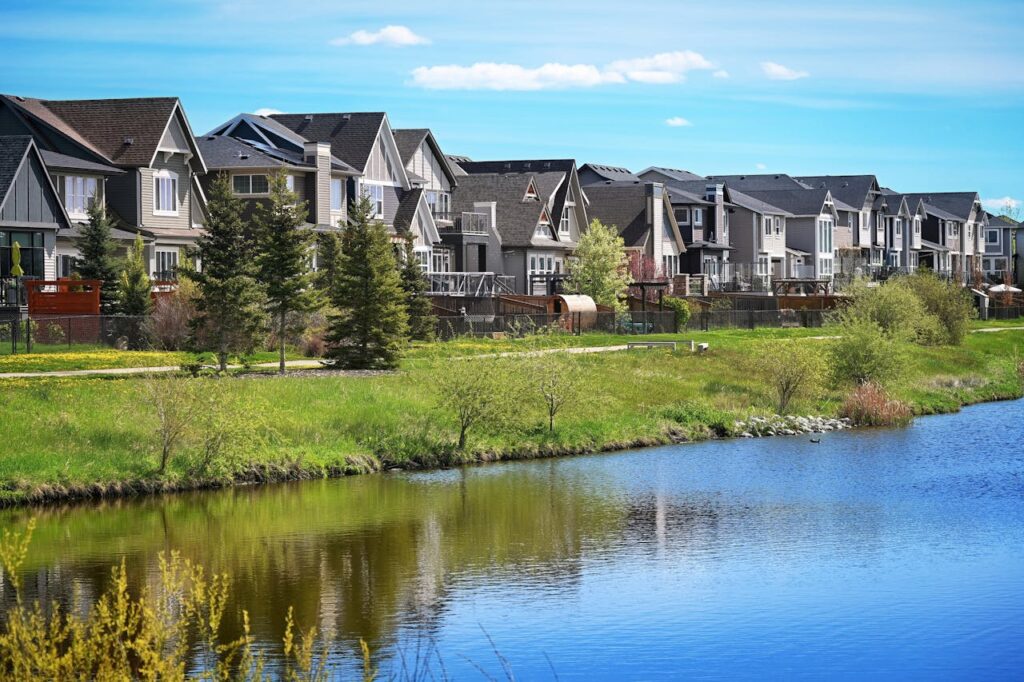
Okay, let’s be real. You’re picturing your first home in Alberta—a backyard, a kitchen you love, maybe even a mountain view. But when those interest rates hit (now averaging 5.3% for a five-year fixed mortgage and ranging from 3.9% to 6.5%), it feels like your dreams are getting priced out of reach.

You’re not alone—up to 60% of Albertans renewing mortgages are facing higher payments, with a quarter bracing for significant jumps in costs.

Still, Alberta stands out for first-time buyers. With average home prices hovering around $525,000 to $530,000vastly more affordable than the national benchmark of roughly $700,000, and a fraction of what you’d pay in Toronto or Vancouver—buying your first place here isn’t just wishful thinking. There’s more inventory now, so you’ll find more options and less of that bidding-war stress.

Plus, programs like Canada’s First-Time Home Buyers’ Tax Credit (worth up to $1,500 back) and the low 5% minimum down payment for homes under $500,000 can make a real difference when you’re crunching those numbers.

In this post, we’ll show you why—despite those daunting mortgage rates—Alberta’s housing market could still be your best bet. We’ll break down how to tackle those payments, dig into what’s happening in Calgary, Edmonton, and smaller cities, and show you why Alberta home ownership is more within reach than you might think. Let’s dive in.

Alberta's Affordability Advantage

1. Lower Average Home Prices Compared to Other Provinces

Alright, let’s get to the part that really matters — your wallet. One of the biggest reasons first-time home buyers are turning their eyes to Alberta is simple: you get way more bang for your buck here.

Take a look at the numbers. The average home price in Alberta in mid-2025 is around $525,000 to $528,000, depending on the city, and that’s after some steady price growth this year. Compare that to Toronto, where the average home price soars over $830,000, or Vancouver, where it’s even higher — around $950,000 on average. That means for the same budget, you’re getting a much larger, more comfortable home in Alberta.

Focusing on Calgary and Edmonton — two of Alberta’s biggest markets — shows just how much more you get. In Calgary, the average home price hovers near $646,000, while Edmonton’s average is about $465,000. Those prices often get you a solid detached home or a townhouse with space for a yard, and maybe even the garage you’ve been dreaming about — something that feels nearly impossible in Vancouver or Toronto without breaking the bank.

This affordable housing Alberta factor is huge for first-time buyers trying to escape the rent cycle and start building equity. More options, less competition, and a balanced market make it an appealing place to get your foot in the door.

2. Diverse Housing Options

Okay, so it’s not just about price — Alberta’s housing market brings some serious variety to the table. Whether you’re dreaming of a modern downtown condo in vibrant Calgary or Edmonton, a cozy townhouse in family-friendly suburbs, or a spacious single-family home with a yard, Alberta’s got you covered.

In Calgary, for example, condos make up about 30% of the market with average prices around $330,000, perfect for buyers looking to be close to the action without the huge price tag of bigger cities. Townhouses in the area average about $450,000, offering a great middle ground with more space and still affordable compared to many other urban centres. Single-family homes, meanwhile, average around $646,000, giving you the classic Alberta living experience with room to grow.

Over in Edmonton, the options are even more budget-friendly. Condos average roughly $280,000, townhouses come in around $375,000, and single-family homes hover near $465,000. That diversity means first-time buyers can pick a home style that fits not just their budget but also their lifestyle — from low-maintenance city living to family-focused neighbourhoods with parks and schools nearby.

This range of housing types makes Alberta especially attractive for first-time buyers who want flexibility. You’re not forced into one-size-fits-all. Instead, you have the freedom to find a home that really feels like yours — whether that means sleek urban vibes or quiet suburban comfort.

And just and FYI, at Jenga Homes, we specialize in building modern townhomes in up-and-coming Calgary neighborhoods, perfect for first-time buyers looking for style and affordability.

A bar chart showing the different costs of housing in Calgary.

3. Slower Market Growth (Depending on Current Trends)

Alberta’s housing market in 2025 is notably more balanced and slower-growing compared to Canada’s overheated markets like Toronto and Vancouver, which can be a major advantage for first-time buyers. Instead of frantically jumping into bidding wars, buyers in Alberta often have more time to weigh their options, negotiate fair prices, and make thoughtful decisions without feeling pressured by rapid sales.

Recent data show that while average home prices in Alberta have increased moderately—about 4% year-over-year to around $528,000—the number of transactions has slowed by approximately 8% compared to last year, with sales dipping even more sharply in urban centers like Calgary, where volume dropped nearly 17% year-over-year. At the same time, new listings and inventory have grown by 10-18%, pushing Alberta into a more balanced market with a sales-to-new-listings ratio close to 60%, a key indicator that buyers are no longer competing in a frenzy for every property. This trend is reinforced by a months-of-supply metric rising to around 2.6 in Calgary, signaling less urgency and more choice for buyers.

Altogether, these factors create a calmer, less stressful environment for first-time buyers who want to take their time finding the right home, making Alberta’s market particularly buyer-friendly in an otherwise challenging national context.

Countering Interest Rate Concerns

Alright, the elephant in the room is that mortgage rates Alberta are not the most friendly. No one’s going to pretend they’re not a factor. But here’s the deal: don’t let those numbers completely derail your first-time home buyer dreams. There are ways to navigate this and here’s what to keep in mind;

1. Long-Term Investment Perspective

Yes, mortgage rates ebb and flow—sometimes up, sometimes down—and that’s just part of the game. But if you zoom out and look at Alberta real estate over the long haul, the picture looks promising. Despite some ups and downs, the average home price in Calgary has appreciated roughly 27% over the last 5 years, which is a steady gain compared to many other markets in Canada.

Even with short-term dips, investing in Alberta real estate means building equity in an asset that historically tends to grow in value over time. This long-term appreciation helps first-time buyers weather current higher interest rates because their home is likely to be worth more down the road. In other words, paying a bit more in interest today can be a price worth paying if you’re securing a solid, appreciating asset.

2. Strategies for Managing Interest Rates

Okay, so how do you actually deal with those mortgage rates Alberta? Here are a few smart moves:

1). Budgeting and Saving for a Larger Down Payment:

The more you put down upfront, the less you have to borrow, and the less you pay in interest. Start cutting back on those extra expenses and get serious about saving! This helps with affordability for first-time buyers.
Learn the best ways to prepare for a down payment here.


2). Explore Different Mortgage Options:

Don’t just settle for the first mortgage you see. Talk to a mortgage broker and check out different lenders. Consider:

      • Fixed vs. Variable Rates: A fixed-rate mortgage gives you predictable payments, while a variable rate might be lower initially but can change. Weigh the pros and cons!
      • Amortization Periods: A shorter amortization period means you’ll pay off your mortgage faster and pay less interest overall, but your monthly payments will be higher.
      • Get pre-approved: Knowing how much you can borrow will give you a better idea of your budget.

These strategies can make home buying Alberta more manageable.

Download our Free Home Buyers Glossary here– it will help you understand the real estate lingo and avoid losses and miscommunication. Get it now, its FREE!

3). Find Government Incentive Programs

Good news! There are incentive programs designed to help first-time home buyers. These can include:

Federal programs:

  • The Home Buyers’ Plan (HBP) allows first-time buyers to withdraw up to $35,000 (up from $25,000 recently) from their Registered Retirement Savings Plan (RRSP) tax-free to put toward a home purchase. This can provide a significant boost to your down payment, easing upfront costs.
  • The First-Time Home Buyers’ GST/HST New Housing Rebate offers a rebate on a portion of the GST paid for a new or substantially renovated home valued up to $1.5 million, letting you save up to $50,000.
  • The recently enhanced First Home Savings Account (FHSA) lets you save up to $10,000 per year, tax-free, specifically for your first home, combining the benefits of RRSP and TFSA accounts.

Explore federal programs here:

Provincial programs (Alberta):

  • Alberta offers the Alberta First-Time Home Buyer Tax Credit, a non-refundable provincial tax credit of up to $2,000 to help with some of the costs of buying your first home.
  • The Home Ownership Alberta Loan Program helps buyers with lower incomes by providing interest-free loans toward the down payment, making homeownership more accessible.

Further Alberta program info:

2 hands pointing to 2 box images with federal program and national programs

Why Now is Still a Good Time to Buy

So, we’ve talked about the challenges, but let’s get back to the positives. Even with those interest rates, there are some seriously compelling reasons why first-time home buyers should still be looking at Alberta real estate right now.

1. Building Equity vs. Renting

This is a classic, but it’s worth repeating: when you rent, you’re essentially paying someone else’s mortgage. You’re throwing money away each month that could be going towards your future. With Alberta home ownership, every mortgage payment you make builds equity. That means you’re increasing your ownership stake in an asset.

Think of it this way: instead of lining your landlord’s pockets, you’re investing in yourself. That equity can be a powerful tool down the road – for renovations, future investments, or even just financial security. For first-time buyers, it’s a way to start building wealth.

Read more about the considerations to make when deciding  to rent of buy a home here.

2. Lifestyle and Stability

Okay, this isn’t about the numbers, but it’s HUGE. Owning a home gives you a sense of stability and control that renting just can’t match. You can finally paint the walls whatever color you want! You can put down roots in a community. You have a place that’s truly yours.

For first-time buyers, this can be a game-changer. It’s about creating a space where you feel comfortable, secure, and like you belong. And that’s priceless.

3. Future Appreciation Potential

Let’s be optimistic: Alberta has a strong track record of economic resilience, which often translates into solid real estate appreciation over time. While markets naturally fluctuate, the long-term trend here has generally been upward, supported by a diversified economy and steady population growth.

Take Calgary, for example. The city is benefiting from robust growth in key sectors like energy—fuelled by pipeline expansions and stable oil production—and a rapidly expanding technology industry that’s adding thousands of jobs. According to recent forecasts, Alberta’s real GDP is expected to grow by around 1.8% to 2.5% annually through 2025 and beyond, with economic drivers including the energy sector, technology investments, and continued interprovincial migration supporting housing demand. This economic momentum is a strong foundation for continued housing market strength and property value appreciation.

For first-time buyers, this means that purchasing a home in Alberta isn’t just about today; it’s about building equity in an asset likely to gain value in the years to come.

Steady population increases and new housing construction also add to long-term market stability, giving you a real shot at growing your investment as the province’s economy evolves.

Calgary Infill Development Opportunity for Home Buyers

One exciting opportunity for home buyers to consider in Calgary is the growing infill development market. Infill refers to the redevelopment of inner-city lots, often replacing older homes with modern, higher-value properties like custom single-family homes or “missing middle” housing types. In 2025, Calgary’s Infill Fast Track Program 2.0 is accelerating permits and approvals, making it faster and easier for buyers and builders to create or purchase these desirable properties in established neighborhoods.

For example, a 1950s bungalow in Killarney-Glengarry can be replaced by a modern infill home doubling in value within 18 months, highlighting strong appreciation potential. 

This trend offers first-time buyers a chance to get into sought-after locations with updated homes, balancing urban living with more affordable prices compared to new suburban developments. The city’s strategic focus on urban densification and streamlined approvals is making infill one of the most dynamic segments in Calgary’s housing market this year.

To learn more about the infill development opportunity, click here.

In Conclusion...

If you’re a first-time home buyer feeling a bit overwhelmed, remember this: Alberta offers a unique blend of affordability, opportunity, and long-term potential. Yes, mortgage rates are a factor, but they don’t have to be a roadblock. By being informed, proactive, and strategic, you can achieve your dream of Alberta home ownership.

We believe that everyone deserves a place to call their own, and navigating the Alberta housing market doesn’t have to be a solo mission. To help you on your journey, we’ve created a FREE Glossary for New Homebuyers. It’s packed with all the essential terms and definitions you need to understand the process with confidence.

Download your FREE Glossary here 

And when you’re ready to take the next step, we’re here to help! Whether you have questions about financing, finding the right neighborhood, or building your dream home, our team is dedicated to guiding first-time buyers every step of the way.

Contact us today for a free consultation and let’s make your homeownership goals a reality! Call us on (403)-454-2218 today 🙂

Categories
First-Time Buyers

How to Buy a Home in Canada as a Newcomer

Buying a home in Canada can feel like trying to solve a Rubik’s cube blindfolded, especially if you’re new to the country. But don’t worry, there are programs out there to help immigrants snag their first home sweet home.
Let’s check out some mortgage programs and insurance options that are perfect for newcomers.

Special Mortgage Programs

Canadian banks have rolled out the welcome mat with mortgage programs just for immigrants. These are great for folks with a short credit history or those with a work permit in hand.

CIBC Newcomer to Canada Program Mortgage

The CIBC Newcomer to Canada Program Mortgage is like a friendly neighbor offering a hand. New immigrants can get a home with just a 5% down payment if the house costs $1 million or less. If you’re eyeing something pricier, you’ll need to cough up 35% or more.

CIBC Newcomer to Canada PLUS Program Mortgage

The PLUS version of the CIBC Newcomer to Canada Program Mortgage throws in some extra goodies like flexible down payments and sweet interest rates. It’s a good fit for those who’ve been in Canada for at least three months and can show they can handle the monthly payments.

CIBC Foreign Worker Program Mortgage

Got a work permit? The CIBC Foreign Worker Program Mortgage is your ticket. With a down payment as low as 5%, foreign workers who’ve been in Canada for three months and can prove they’re employed can get in on the action.

Mortgage Insurance Options

Mortgage insurance is like a safety net for newcomers. It helps reduce the risk for banks if you can’t make payments and lets you get a mortgage with a smaller down payment.

Mortgage Loan Insurance Programs

These programs are a lifesaver for newcomers. With just a 5% down payment, they offer financial protection to lenders. The Home Buyers’ Plan (HBP) and the First-Time Home Buyers’ Savings Account (FHSA) are popular choices for first-time buyers.

Newcomers to Canada Program

The “Newcomers to Canada program” are various initiatives designed to support individuals who have recently moved to Canada. One of the initiatives is the CIBC Newcomer to Canada Program Mortgage. It is specifically designed for newcomers to Canada, allowing them to qualify for a mortgage even with limited or no Canadian credit history [as previously discussed above].

You can buy a home with just a 5% down payment if it’s $1 million or less. For anything over that, you’ll need to put down 35% or more. There’s no cap on the mortgage amount, but the home price must be $1 million or lower.


To learn the saving strategies for a down payment in Canada, read this article about the ‘Best Saving Strategies for a Down Payment’

Financial Requirements for Buying a Home in Calgary, Alberta

Buying a home in Canada, especially for immigrants or folks moving from pricier provinces to Calgary, Alberta, can feel very overwhelming. Here’s a breakdown of the basics of what you need to know about down payments and credit scores.


Down Payment Guidelines

In Canada, the down payment is a important when you’re buying a house. How much you need depends on the price tag of the home. If you’re new to this, study the chart below to know the minimum down payment rules so that you may understand how mortgage insurance works.

A chart showing minimum down payment requirements in Canada.

If your down payment is less than 20%, you’ll need mortgage loan insurance. This insurance helps protect the bank if you can’t make your payments. Some places have special insurance programs for newcomers with just a 5% down payment.

There’s also the Home Buyers’ Plan (HBP), which lets you pull out up to $35,000 from your RRSP (Registered Retirement Savings Plan) without paying taxes to buy or build your first home. However, you must make sure the money has been in the RRSP for at least 90 days before you take it out. After you get the money, you’ve got 15 years to pay it back.

Credit Score History Considerations for New Comers

Newcomers to Canada typically start with no credit score, as their credit history from their country of origin does not transfer to Canada.

This means they begin building their Canadian credit history from scratch. While a good credit score is essential for securing loans and mortgages, some programs are designed to accommodate newcomers with limited or no Canadian credit history.

For instance, the CMHC Newcomers Program requires a minimum credit score of 600 for at least one borrower or guarantor, and may consider alternative methods of establishing creditworthiness if a Canadian credit history is limited.

Additionally, banks like Scotiabank offer credit cards under the StartRight® Program without requiring a Canadian credit history. As newcomers build their credit, they can improve their scores by using credit responsibly and making timely payments.

Learn how buying a home affects your credit score in Canada here.

Government Programs for First Time Homebuyers

In Canada, there are government programs ready to lend a hand to first-time homebuyers.
Here are the two big ones: the First-Time Home Buyer Incentive and the Shared Equity Mortgage Providers Fund.

First-Time Home Buyer Incentive (FTHBI)

The First-Time Home Buyer Incentive is part of Canada’s National Housing Strategy, designed to help first time home buyers acquire their first home (Government of Canada).

This program aims to make homeownership more affordable by providing a government loan of either 5% or 10% of the purchase price, which goes towards the down payment.


Key Features:

  • The government chips in 5% or 10% of the home’s price for your down payment.
  • This amount helps shrink your monthly mortgage bill.
  • You must pay it back after 25 years or when you sell the home.

The program has been extended until March 31, 2025, to continue supporting first-time buyers. To check eligibility, click here

Shared Equity Mortgage Providers Fund

This fund supports shared equity mortgage providers, helping eligible Canadians achieve affordable home ownership. It encourages additional housing supply and attracts new providers of shared equity mortgages.

Key Features:

  • Offers cash to shared equity mortgage providers.
  • Pushes for creative homeownership ideas.
  • Helps build more affordable housing.

Learn more about this fund by clicking here.


By tapping into these government programs, immigrants and those moving to wallet-friendlier cities like Calgary, Alberta, can get the boost they need to make their homeownership dreams come true.

For more tips and resources, dive into our article on the Canada home buying process made simple for newcomers, in this link.

Where to Get Assistance You Can Trust as a New Comer

For a successful home buying process, you need to work with a knowledgeable Realtor. They can guide you through the process of helping you navigate Calgary’s neighborhoods,  know best financing options and ensure you understand the local market conditions. Get you perfect realtor match using our tips in this article. 

For newcomers to Calgary seeking reliable information on buying a home, reading from trustworthy sources such as this Jenga Homes blog. In our easy to read  and informative articles, newcomers can gain a deeper understanding of Calgary’s real estate landscape, learn how to save, Canadian credit scores, getting pre-approved for a mortgage, how your employment affects the home buying process, home inspections, common  homeownership hidden costs and so much more!

For situation specific questions, don’t hesitate to contact us on (403)-472-3909.

Before you go,  grab your Free copy of our Calgary Home Buying Glossary for new comers. This downloadable will help you understand the home buying language and save you from misunderstandings that can cost you money and time. It’s Free! Get it here now!

Categories
First-Time Buyers

7 Budget-Friendly Home Improvement Ideas for First-Time Homeowners in Calgary
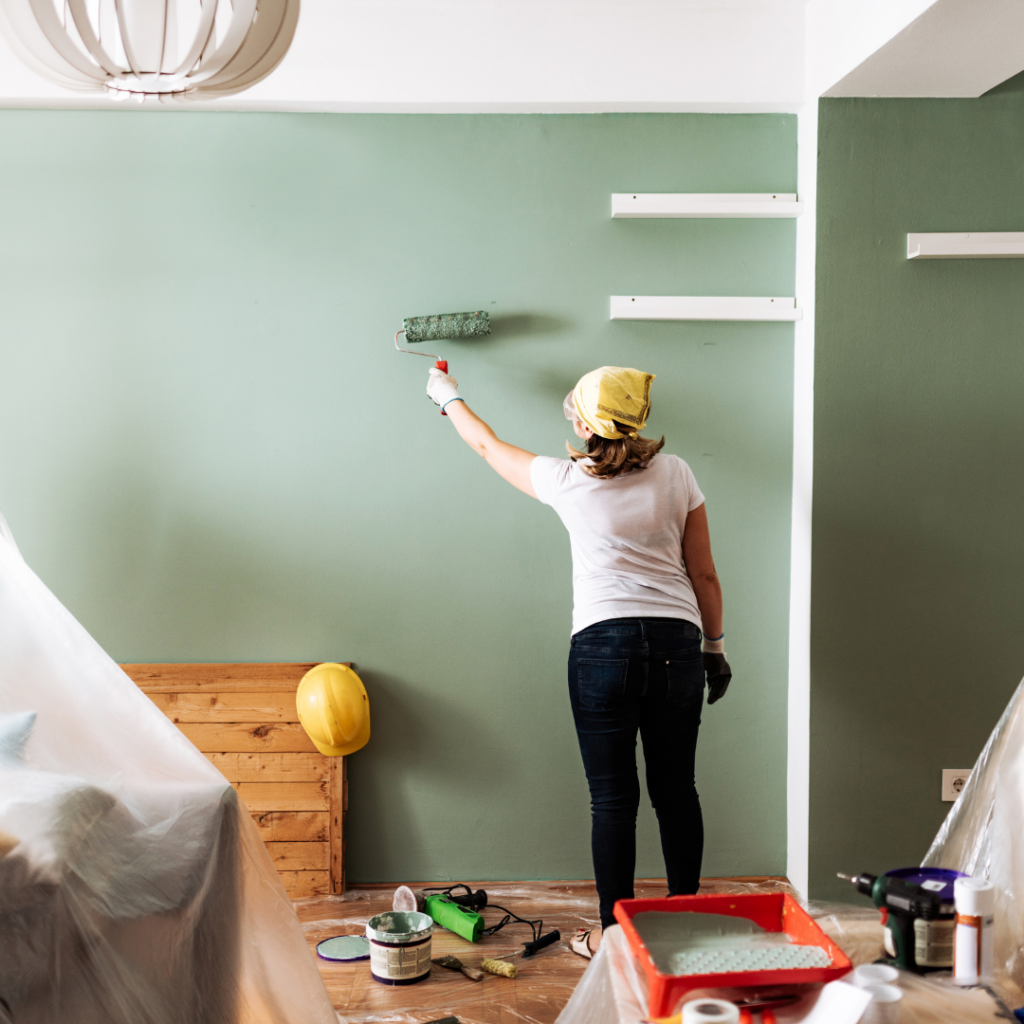
Buying a home is a huge financial milestone, but after moving in, many homeowners feel the urge to upgrade and personalize their space. The challenge? Home renovations can be expensive!

The good news? There are plenty of budget-friendly ways to enhance your home without draining your savings. Whether you want to improve aesthetics, increase functionality, or boost property value, these 7 affordable home improvement ideas will help Calgary homeowners make impactful changes without overspending.

Refresh Your Walls with a Fresh Coat of Paint

A simple paint job can completely transform the look and feel of your home.

🔹 Cost: $50–$200 per room
🔹 DIY-Friendly? ✅ Yes!

Why it Works:

  • Bright, neutral tones make spaces feel bigger.
  • Accent walls add a modern, stylish touch.
  • A fresh coat covers up scuffs and old marks, making the home feel brand new.

💡 Pro Tip: Calgary’s fluctuating temperatures can affect paint drying time. Use high-quality, low-VOC paint for durability and better air quality.

Upgrade Lighting for a Brighter, More Modern Home

Lighting can make or break a home’s ambiance and energy efficiency.

🔹 Cost: $20–$150 per fixture
🔹 DIY-Friendly? ✅ Yes, for most plug-in and screw-in options

Easy Upgrades:
✔️ Swap outdated light fixtures for sleek, modern designs.
✔️ Install LED bulbs—they use 75% less energy and last longer.
✔️ Add motion-sensor or smart lighting to save energy.

💡 Pro Tip: If you’re on a budget, look for deals at Habitat for Humanity ReStore in Calgary—they sell discounted, high-quality home improvement materials.

Revamp Your Kitchen Cabinets Without Replacing Them

A full kitchen remodel can cost $20,000+, but you don’t have to spend that much! Instead, update your existing cabinets.

🔹 Cost: $100–$500
🔹 DIY-Friendly? ✅ Yes!

Affordable Kitchen Upgrades:
✔️ Repaint or re-stain cabinets for a fresh look.
✔️ Replace old cabinet handles with modern hardware.
✔️ Add stick-on backsplash tiles for an instant refresh.

💡 Pro Tip: White and light grey cabinet colors increase resale value and make kitchens look bigger and cleaner.


Learn Cost Saving Tips for New Home Buyers.

Install Peel-and-Stick Wallpaper or Backsplash

Looking for a quick, stylish transformation? Peel-and-stick options are an easy, renter-friendly solution!

🔹 Cost: $30–$100
🔹 DIY-Friendly? ✅ Super easy!

Where to Use It:
✔️ Accent Walls: Add character to bedrooms and living spaces.
✔️ Kitchens & Bathrooms: Waterproof backsplash stickers create a modern look.
✔️ Furniture Upgrades: Cover old dressers, countertops, or bookshelves for a refreshed design.

💡 Pro Tip: Many Calgary homeowners use faux-brick or wood peel-and-stick panels for a rustic touch.

Improve Energy Efficiency & Reduce Bills

Home improvements shouldn’t just look good—they should save you money too!

🔹 Cost: $50–$500
🔹 DIY-Friendly? ✅ Some projects require professional installation

Easy Energy-Saving Upgrades:
✔️ Install a smart thermostat (Nest or Ecobee) to cut heating costs.
✔️ Add weather stripping to doors and windows to prevent drafts.
✔️ Upgrade to energy-efficient appliances when possible.

💡 Pro Tip: Calgary homeowners can apply for energy rebate programs that help cover upgrade costs! Check Energy Efficiency Alberta for details.


Learn about Home Living with Smart Home Automation.

Enhance Your Outdoor Space on a Budget

First impressions matter! Simple landscaping and curb appeal improvements can increase your home’s value.

🔹 Cost: $50–$500
🔹 DIY-Friendly? ✅ Yes!

Affordable Outdoor Upgrades:
✔️ Add solar-powered lights for an inviting walkway.
✔️ Plant perennials that return every year—less cost and maintenance.
✔️ Power-wash the driveway and patio to refresh the exterior.

💡 Pro Tip: Check Calgary’s Community Clean-Up Days—they often provide free compost, mulch, and yard waste disposal!

Upgrade Your Bathroom Without a Full Reno

A bathroom remodel can cost $10,000+, but small updates can make a big impact.

🔹 Cost: $50–$500
🔹 DIY-Friendly? ✅ Yes!

Budget-Friendly Bathroom Updates:
✔️ Replace faucet and showerhead for a modern, water-efficient look.
✔️ Re-grout tiles to make the space look new.
✔️ Install a new mirror and better lighting to brighten the space.

💡 Pro Tip: A floating shelf or over-the-toilet storage maximizes space in small bathrooms.

In Conclusion...

Home improvements don’t have to cost a fortune. By making small, smart changes, first-time homeowners in Calgary can increase their home’s comfort, style, and efficiency—without breaking the bank.

Thinking about more buying an affordable home in Calgary? Contact Jenga Homes for affordable new homes in Calgary today on (403)-454-2218.

Categories
First-Time Buyers

Cost-Saving Tips for New Home Buyers in Calgary

🎉 Congratulations on your new home! Buying a house is an exciting milestone, but it also comes with new financial responsibilities. The good news? There are plenty of ways to save money while maintaining the quality and comfort of your home.

In this guide, we’ll share practical, Canadian and Calgary-specific cost-saving tips that can help first-time homeowners manage expenses, optimize their budget, and enjoy their new space without financial stress.

Maximize Government Incentives & Tax Savings

Before spending a dime on renovations or upgrades, check out government programs that can put money back in your pocket:

  •  First-Time Home Buyer Incentive (FTHBI): Offers shared-equity loans to lower mortgage payments
  • Calgary Property Tax Rebate: Some homeowners qualify for relief programs. Check with the City of Calgary.
  • Energy Efficiency Rebates: Programs like Energy Efficiency Alberta provide rebates on home improvements such as insulation, windows, and high-efficiency appliances.

💡 Pro Tip: Use the Government of Canada’s benefits to find available savings!

Learn the 9 Tax Saving Tips the homeowners in Calgary, Alberta should know.

2. Cut Down on Utility Bills with Smart Energy Use

Calgary’s cold winters and warm summers can lead to high energy costs. Here’s how to cut down your monthly utility bills:

  •  Upgrade to Smart Thermostats – A Nest or Ecobee thermostat can reduce heating/cooling costs by 10-15%.
  • Seal Windows & Doors – Prevent drafts and lower heating costs by 20% with simple weather stripping.
  • Choose Energy-Efficient Appliances – Look for ENERGY STAR® ratings to save on electricity.
  • Switch to LED Bulbs – LED lights use 75% less energy than traditional bulbs and last longer.
  • Take Advantage of Off-Peak Hours – Run dishwashers and laundry at night when electricity rates are lower.

💡 Pro Tip: Enroll in Alberta’s Regulated Rate Option (RRO) to avoid high energy price fluctuations.

Learn about creating Smart Home Automations here

3. Reduce Mortgage Costs & Interest Payments

Your mortgage is likely your biggest expense, so optimizing it can lead to significant savings.

  • Make Biweekly Payments Instead of Monthly – This small change can cut years off your mortgage and save thousands in interest.
  • Increase Your Down Payment (If Possible) – The more you put down upfront, the less you’ll pay in interest.
  • Shop Around for the Best Mortgage Rate – Use a mortgage broker to find the lowest rates and negotiate better terms.
  • Consider Mortgage Prepayments – If your lender allows extra payments without penalties, take advantage!

💡 Pro Tip: Refinance when interest rates drop to secure lower monthly payments.

Learn how your home ownership affects your credit score.

4. Save on Home Maintenance & Repairs

Regular upkeep prevents costly repairs. Here’s how to budget wisely:

  • DIY Small Fixes – Learn basic home maintenance, like unclogging drains or caulking windows, to avoid costly service calls.
  • Seasonal Inspections – Check the furnace before winter and the AC before summer to avoid emergency repairs.
  • Landscaping on a Budget – Opt for native plants that require less watering and maintenance.
  • Get a Home Warranty Plan – Covers unexpected repairs for major appliances and home systems.

💡 Pro Tip: Join a local buy & sell group for discounted home items and tools!

5. Furnish & Decorate Without Breaking the Bank

New homeowners often feel pressured to fully furnish their space right away—but you don’t have to!

  • Shop Second-Hand – Facebook Marketplace, Kijiji, and Calgary’s ReStore (Habitat for Humanity) offer great deals.
  • Wait for Seasonal Sales – Black Friday, Boxing Day, and year-end clearance sales can save 50% or more.
  • Consider DIY Projects – Refinishing old furniture or using peel-and-stick wallpaper can transform spaces affordably.

💡 Pro Tip: Set up alerts on deal websites to track discounts on home essentials.

Find out how buying a home helps your credit score.

6. Smart Shopping for Groceries & Essentials

As a homeowner, household expenses add up fast. Here’s how to cut costs on everyday necessities:

  • Use Grocery Price-Matching AppsFlipp and Reebee help you find the best local deals.
  • Buy in Bulk – Memberships at Costco or Wholesale Club can save money in the long run.
  • Meal Plan to Avoid Food Waste – Stick to a weekly meal plan to reduce impulse grocery purchases.
  • Take Advantage of Cashback & Loyalty Programs – Use PC Optimum and Air Miles for grocery discounts.

💡 Pro Tip: Calgary has farmer’s markets with lower prices on fresh produce—check out Crossroads Market and Calgary Farmers’ Market!

7. Leverage Calgary’s Free & Low-Cost Entertainment

You don’t have to spend a fortune to enjoy your new city! Calgary offers free and affordable activities:

  • Explore the City’s Parks & Trails – Fish Creek Park and Nose Hill Park offer beautiful outdoor experiences.
  • Check Out Free EventsShaw Millennium Park hosts concerts, and Heritage Park has seasonal discounts.
  • Look for Community Recreation Passes – Many Calgary neighborhoods offer discounted access to pools, gyms, and classes.

💡 Pro Tip: Sign up for Calgary Public Library’s free passes for local attractions!

Discover the 7 Community Parks to visit in High River, Alberta

In Conclusion...

Owning a home is a long-term investment, and every dollar you save now helps build financial security. By taking advantage of rebates, smart energy practices, and mindful spending, you can enjoy homeownership in Calgary without breaking the bank.

🚀 If you’re looking for expert advice on Calgary real estate or planning your next home purchase, Jenga Homes is here to help! Contact us today to explore your options by calling (403)- 454-2218.

Categories
First-Time Buyers

Calgary Property Taxes 2026: A New Homeowner’s Guide | Jenga Homes

Calgary property taxes are calculated by multiplying your home’s assessed value by the combined City and provincial tax rate. In 2026, the median single-family home is assessed at $706,000, with a total tax bill of approximately $4,200 to $4,800 depending on your assessed value. The provincial portion increased significantly in 2026 — up $338 for the typical home. This guide explains how it works, how much to budget, and what relief programs are available.

Property taxes are one of the costs new homeowners are most surprised by — not because they’re shocking, but because many buyers don’t factor them into their monthly budget before they commit to a purchase. If you’re buying a new home in Calgary in 2026, understanding how property taxes are calculated, when they’re due, and what they fund will help you plan properly from day one.

The good news: Calgary’s property tax rate is among the lowest of any major Canadian city, and Alberta’s lack of a provincial sales tax makes the overall ownership cost significantly lower than comparable cities in Ontario or BC. The less welcome news: the provincial education portion of your tax bill increased substantially in 2026 — by $338 for the typical Calgary home — and understanding why that happened will help you anticipate what’s coming in future years.

How Are Calgary Property Taxes Calculated in 2026?

Calgary property taxes are calculated using a simple formula: your home’s assessed value multiplied by the combined City and provincial tax rate. The City of Calgary sets its tax rate each spring based on its annual budget. The provincial portion is set by the Government of Alberta. In 2026, the median single-family home is assessed at $706,000, with a municipal tax increase of approximately 1.8% for that typical property.

The formula on your tax bill looks like this:

Total property tax = (Assessed value × City tax rate) + (Assessed value × Provincial tax rate)

Both components are applied to the same assessed value, then added together for your total annual bill.

A practical example using the 2026 median:

  • Median single-family assessment: $706,000
  • City tax rate (2026): approximately 0.0035 (3.5 per $1,000 of assessed value — confirm exact rate at calgary.ca when your bill arrives)
  • Provincial tax rate (2026): approximately 0.0027 (2.7 per $1,000)
  • Estimated total bill: approximately $4,370 to $4,800 depending on final rates


The
City’s property tax calculator lets you enter your specific assessed value and get an estimate once the year’s rates are confirmed.

What Does Your Property Tax Pay For?

In 2026, approximately 58% of your Calgary residential property tax funds City services — police, fire, transit, roads, parks, and libraries. The remaining 42% is collected by the City on behalf of the Government of Alberta and goes toward provincial education funding. You don’t choose how this split works; it’s determined by the province.

This is a notable correction from outdated information that circulated in previous years. The split is now 58% City / 42% Province — not the 65/35 figure that some older resources still quote. The provincial portion has increased sharply: in 2025 it rose 15.6% ($218 for the typical home), and in 2026 it rose a further 21% ($338 for the typical home). That’s a $556 increase in the provincial portion alone over two years.

Your City portion funds:

  • Calgary Police Service
  • Calgary Fire Department
  • Calgary Transit (buses and CTrain)
  • Roads and traffic
  • Parks and recreation facilities
  • Libraries and community services


The provincial portion funds Alberta’s K–12 education system province-wide. Calgary homeowners contribute to this pot even though the province determines how the funds are distributed.

What Is the 2026 Calgary Property Tax Due Date?

Your 2026 Calgary property tax bill is mailed in May and is due on the last business day of June. For 2026, that means payment is due by June 30, 2026. If you miss this date, late penalties apply. You can avoid the lump-sum pressure by enrolling in the Tax Instalment Payment Plan (TIPP), which spreads your payments monthly throughout the year.

Two payment options:

Option 1 — Lump sum by June 30. Pay the full year’s tax in a single payment. This works well if you prefer keeping your cash available for the first half of the year.

Option 2 — Tax Instalment Payment Plan (TIPP). Monthly pre-authorized payments spread your tax bill across 12 months. Enrollment is free and you can sign up through the City of Calgary’s property tax page. Most new homeowners choose TIPP because it makes budgeting more predictable.

If you have a mortgage with a major lender, your mortgage agreement may include a property tax component collected monthly and remitted on your behalf. Confirm with your lender whether this applies to you — if it does, you may not need to make a separate tax payment at all.

How Is Your Calgary Home Assessed?

The City of Calgary assesses every residential property annually. Your 2026 assessment is based on your home’s estimated market value as of July 1, 2025 — not your purchase price, and not the current market value. Assessment notices are mailed in January. If you believe your assessment is significantly out of line with comparable properties, you have the right to appeal.

A few important nuances:

Assessment ≠ market value. Your assessed value can be higher or lower than what your home would sell for today. The assessment is based on a mass appraisal model that looks at your neighbourhood, home size, age, and features. Individual market fluctuations don’t always translate immediately into assessment changes.

New home assessments. If you buy a newly built home and move in during the year, your first assessment will reflect the completed home’s value at the July 1 reference date. For a home completed after July 1, your first full assessment typically comes the following year.

Appealing your assessment. If you receive your January assessment notice and believe it’s too high, you have until the deadline printed on the notice (typically March) to file an appeal with the Assessment Review Board. You’ll need to provide comparable sales data to support your case. This process is worth pursuing if your assessment is materially out of step with similar properties that sold nearby.

How Do Calgary Property Taxes Compare to High River?

Property taxes in High River, Alberta are generally lower than Calgary in raw dollar terms for comparable homes, primarily because assessed values are lower. The Town of High River sets its own municipal tax rate annually. A new home assessed at $450,000 in High River will carry a meaningfully lower total tax bill than a comparably sized home in Calgary assessed at $700,000+.

This is a practical consideration for buyers weighing a new home in High River against a Calgary build. Both pay the same provincial education portion (set by the province, applied everywhere in Alberta). The municipal portion differs based on the Town’s budget and rate.

For buyers comparing a Jenga Homes build in Monteith, High River to a Calgary property, factor in:

  • Lower assessed value = lower total tax bill
  • Lower purchase price = lower mortgage payments
  • 30-minute Highway 2 commute to Calgary’s south boundary
  • No provincial land transfer tax in Alberta (unlike Ontario or BC)


The combination often makes High River a meaningfully lower total monthly cost of ownership even before factoring in the difference in purchase price.

What Relief Programs Are Available for Calgary Property Taxes?

Calgary and Alberta offer three main property tax relief programs in 2026: the Fair Entry program for low-income homeowners, the Alberta Seniors Property Tax Deferral Program, and the Compassionate Property Tax Penalty Relief Program for extenuating circumstances. None of these require advance application at purchase — they’re applied for after you own the home if you qualify.

Fair Entry Program (City of Calgary) Helps low-income homeowners reduce or defer a portion of their property tax. Eligibility is income-based. Apply through the City of Calgary’s Fair Entry program.

Alberta Seniors Property Tax Deferral Program Seniors aged 65 and over who meet income and equity requirements can defer all or part of their property taxes through a low-interest loan against their home’s equity. The deferred amount is repaid when the home is sold or transferred. Information at the Government of Alberta’s website.

Compassionate Property Tax Penalty Relief If you miss the June 30 payment deadline due to illness, a family emergency, or another serious circumstance, the City may waive or reduce late penalties. This isn’t automatic — you need to apply and provide documentation.

Budgeting for Property Taxes as a New Home Buyer

For a new home in Calgary assessed between $500,000 and $750,000 in 2026, budget approximately $3,500 to $5,200 per year in property taxes, or $290 to $430 per month. Add this to your mortgage payment, home insurance, and maintenance reserve when calculating your true monthly cost of ownership — not just your mortgage payment.

Calgary Property Taxes for New Homeowners 2026

At Jenga Homes, we build new homes from $400,000 in Calgary and High River. Our fixed-price contracts mean your purchase price is locked in from day one — and our team helps you understand the full picture of monthly ownership costs before you commit, not after.

If you’d like to talk through what a new home in Calgary or High River would actually cost you per month — mortgage, taxes, insurance, and all — book a free call with our team. No pressure, no jargon.

Frequently Asked Questions


Q. How much are property taxes on a new home in Calgary in 2026?

A. For a new home in Calgary assessed between $500,000 and $750,000 in 2026, expect annual property taxes of approximately $3,100 to $5,200, or $260 to $430 per month. The City of Calgary’s median single-family home assessment in 2026 is $706,000, with a total tax bill of approximately $4,200 to $4,800. Use the City’s property tax calculator at calgary.ca for a precise estimate based on your specific assessed value.

Q. When are Calgary property taxes due in 2026?
A. Calgary property tax bills are mailed in May and are due on the last business day of June — June 30, 2026. If you enrol in the Tax Instalment Payment Plan (TIPP), you pay monthly instead of in one lump sum. TIPP is free to join and can be set up through the City of Calgary’s website. Some mortgage holders have property taxes collected and remitted by their lender — check your mortgage agreement.

Q. What percentage of Calgary property tax goes to the province?
A. In 2026, approximately 42% of your Calgary residential property tax goes to the Government of Alberta for provincial education funding. The remaining 58% stays with the City of Calgary and funds local services including police, fire, transit, roads, and parks. The provincial portion increased by 21% in 2026 — $338 more for the typical home assessed at $706,000.

Q. Can I appeal my Calgary property assessment?
A. Yes. If you believe your annual assessment is too high, you can file an appeal with the Assessment Review Board before the deadline printed on your January assessment notice (typically March). You’ll need comparable sales data from similar homes in your area. If your assessment is materially out of step with nearby sold properties, an appeal is worth pursuing and can reduce your tax bill for the year.

Q. Are Calgary property taxes higher than High River?
A. In raw dollar terms, Calgary property taxes are typically higher than High River because assessed values in Calgary are higher. Both locations pay the same provincial education portion. A new home in High River assessed at $450,000 will carry a lower total tax bill than a comparable Calgary home assessed above $700,000. For buyers comparing both markets, total monthly ownership cost — mortgage, taxes, insurance, and commute — often favours High River meaningfully.

Categories
First-Time Buyers

The Perks of Choosing a Newly Constructed Home in Calgary
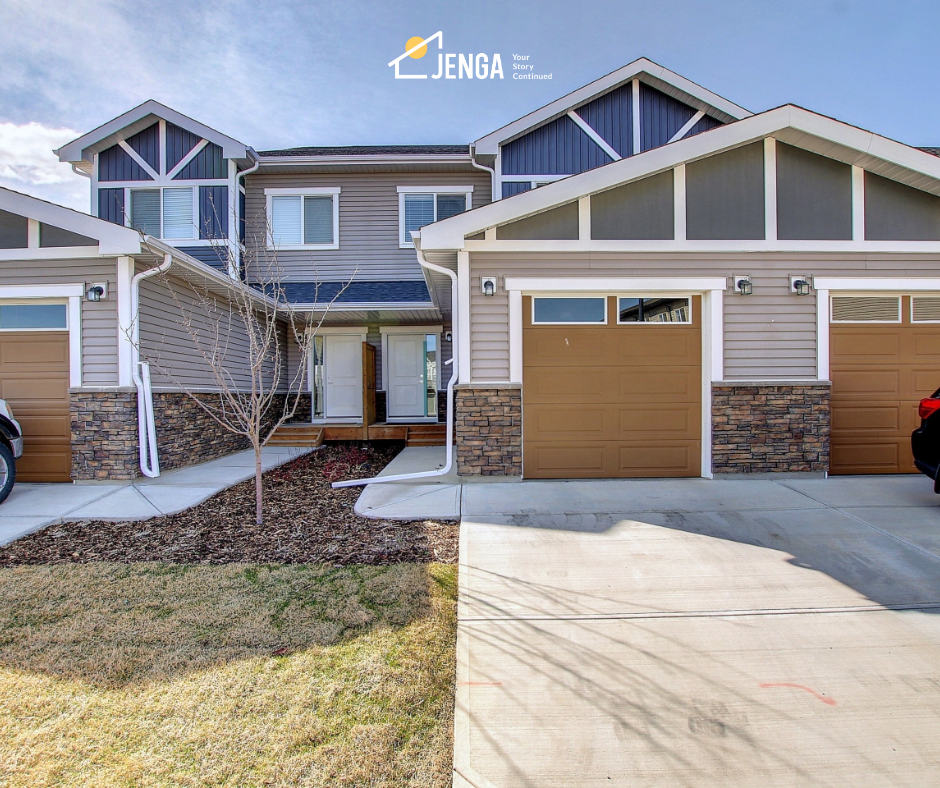
So, you’re ready to start house hunting in the Calgary housing market? That’s great! One of the first decisions you’ll face is whether to go for a pre-owned resale home or a sparkling newly constructed home. Both have their own charm, but if you’re after a modern, hassle-free, and personalized living experience, new construction might just steal your heart. Here’s are the awesome advantages that come with buying a newly built home in Calgary:

Your Vision, Your Home: The Joy of Customization

Imagine walking into a home that is truly yours, a space that reflects your unique style and personality1. With new construction, you have the power to create a home that is tailored to your specific needs and preferences.

One of our clients were Sarah and her husband. After years of renting, they finally found a home they could truly call their own thanks to Jenga Homes’ affordable new constructed homes.
Now, they can finally enjoy preparing meals and relaxing in spaces that are a true reflection of themselves.


Peace of Mind From Day One: Everything is Brand New!

Let’s be honest, dealing with unexpected repairs in an older home can be a real pain. With a new construction home, you can wave goodbye to those worries. Everything is fresh, from the roof to the plumbing, giving you peace of mind and reducing the chances of those dreaded maintenance calls. You can simply unwind and enjoy your new space without the stress of constant upkeep.

Just like Sarah and her husband, who were tired of renting and dealing with repairs in older homes, you can experience the joy of moving into a brand-new space where everything is in pristine condition. 

Energy Savings That Make a Difference

In a world that’s becoming more and more eco-conscious, saving energy is important. New construction homes are built with the newest technologies and materials that are designed to use less energy. Think about better insulation, windows that are good at keeping heat in or out, and appliances that are top-of-the-line when it comes to saving energy.

This not only means you’ll pay less for your utilities each month, but it also helps protect the planet by lowering your impact on it.

Remember Sarah and her husband? They were thrilled to discover how much they were saving on their energy bills after moving into their new Jenga home. Their old rental was drafty and inefficient, but their new home felt comfortable year-round without them having to crank up the heat or air conditioning.


Learn more about smart home automation here.

Modern Living: Embrace Contemporary Design

New construction homes often have open floor plans, big kitchens that are perfect for hanging out with family and friends, and fancy bathrooms that feel like your own private spa. You won’t find any of those small, old-fashioned layouts here! Instead, you’ll get to enjoy a sense of openness and connection, making your home the perfect place for both entertaining and everyday life.

For Sarah and her husband?, they always dreamed of having a modern, open kitchen where they could cook together and entertain guests. Their Jenga Home made that dream a reality. Now, they love spending time in their spacious kitchen, which seamlessly flows into the dining and living areas, creating a welcoming and stylish space for gatherings of all sizes.


Warranties: Your Safety Net for Peace of Mind

One of the best things about buying a newly built home is the protection you get with builder warranties. These warranties usually cover the most important parts of your home— like the roof, foundation, and appliances—for a certain amount of time.

If anything goes wrong, you’re protected, which means you won’t have to suddenly pay a lot of money for repairs. It’s like a safety net that lets you enjoy your new home without worrying.

Jenga Homes is backed by a team of experienced architects, engineers, and contractors. This means our expertise in making sure your new home is carefully planned and built to the highest standards. At Jenga Homes, we also believe in open communication and being completely transparent throughout the process of buying a home. This means you can make informed decisions and feel confident every step of the way of your home construction journey.

Community Living: Connect and Thrive

Many new construction homes are located in planned communities that offer a wealth of amenities and a strong sense of belonging. Imagine having parks, playgrounds, walking trails, and even community centers right at your doorstep! It’s a great way to meet your neighbors, get involved in local activities, and create lasting friendships.

Jenga Homes’ current project in High River, Alberta, offers exactly this kind of community experience. High River is described as a “picturesque town nestled in the foothills of the Rockies” that “offers the perfect blend of small-town charm and modern conveniences.” This makes it a great place to put down roots and enjoy a connected lifestyle.

Low-Maintenance Living: Time for What You Love

One of the biggest perks of choosing a new construction home is the low-maintenance lifestyle it offers. You can finally say goodbye to weekends spent on endless repairs and chores, and hello to more free time to pursue your passions and spend quality time with loved ones.

Think back to Sarah and her husband. In their old rental, they were constantly battling leaky faucets, creaky floors, and outdated appliances. It felt like every weekend was consumed by some sort of repair or maintenance task. Now, they spend their weekends hiking in the foothills of the Rockies near High River, exploring local farmers’ markets, or simply curling up with a good book in their beautifully designed Jenga home.
Home is finally a place to relax and enjoy during their weekends. 

New construction homes  by Jenga Homes are built with durability and efficiency in mind. Our choice to use high-quality materials and modern construction techniques minimize the need for frequent repairs and upkeep. This means less time spent on tedious chores and more time to focus on the things you love.


Enjoy Higher Resale Value: A Smart Investment

Purchasing a new construction home can be a wise investment, especially in a growing real estate market like Calgary.

In the article “The 2024 Calgary Real Estate Market Forecast For Home Owners and Investors” it discusses the positive trends in the Calgary real estate market that support the idea that new construction homes are likely to hold their value well and potentially appreciate over time.

The article also highlights that Calgary’s real estate market is experiencing steady growth, with experts predicting continued appreciation in the coming years. This positive market outlook, combined with the modern features, energy efficiency, and low-maintenance aspects of new construction homes, suggests that these properties are well-positioned for strong resale value in the future.

Think of it this way: Sarah and her husband, are not only enjoying a beautiful and functional home, but should they decide to sell their Jenga Home in the future, they could potentially reap the rewards of a strong real estate market and a desirable, well-maintained property.


Read the 2024 CREB report here.

In Conclusion...

Building a new home is an exciting adventure that allows you to create a space that truly reflects your vision and lifestyle. From the ability to personalize your space, and the peace of mind that comes with a brand-new home, there are many compelling reasons to consider a newly constructed home. Energy efficiency, modern living spaces, and thriving communities are just a few of the advantages that await you.

What next? Download our FREE Home Buyers Glossary. This valuable resource will empower you with explanations of hard real estate terms, to make informed decisions throughout the process.

If you’re ready to see our newly built homes, contact us today on (403)- 454-2218.

Categories
First-Time Buyers

The Steps Involved in Closing the Buying Process of a Home in Calgary,AB

The process of buying a home in Calgary, Alberta, is both thrilling and challenging. As a prospective homeowner, knowing what to expect and understanding the essential steps in the closing process will give you the confidence needed to navigate your purchase smoothly.

The typical timeframe for closing can range from 30 to 90 days, depending on factors like negotiations and legal considerations. Let’s dive deep into what each step entails and what to expect during this crucial stage of your home-buying journey.

Engage a Real Estate Lawyer

Hiring a real estate lawyer is one of the most crucial steps when closing a home purchase in Calgary. Your lawyer plays a pivotal role in reviewing all legal documents, ensuring compliance with provincial laws, and protecting your interests. Real estate transactions can be complicated, and a skilled lawyer will guide you through every legal hurdle.

Engaging a lawyer early ensures they have enough time to review documents like the purchase agreement and title deeds. Alberta’s legal framework is distinct, and having a professional versed in local regulations is essential for a smooth transaction. Your lawyer will also work with you on other matters like mortgage documents and title insurance to guarantee you are protected from any legal pitfalls.

Register for our next Meet & Greet and meet experts like real estate lawyers, mortgage brokers and others. Click here to RSVP.

Review Purchase Agreement

Once an offer is accepted on a home, the next critical step is to review the purchase agreement. Your real estate lawyer will carefully examine this document to ensure that all terms are clear and beneficial. They will ensure the agreement covers essential items like the condition of the home, repairs, and inclusions or exclusions.

Additionally, your lawyer verifies details about the property to ensure there are no issues that could complicate the sale. For instance, they will check for any liens, judgments, or claims against the property. Ensuring all these legal matters are addressed before moving forward helps you avoid unexpected surprises down the line.

Conduct Due Diligence

Due diligence is an integral part of buying a home in Calgary. This process involves checking that all aspects of the property and transaction are in good standing. During this stage, your lawyer will review property taxes, outstanding utility bills, and any municipal permits that may affect your home purchase.

For instance, if a homeowner conducted renovations without proper permits, it could present legal or financial headaches later. Additionally, your lawyer will verify that there are no outstanding municipal taxes or legal claims against the property. If issues are found, they will work with the seller to resolve them before the deal moves forward.

Do a Final Walkthrough

Before closing day, conducting a final walkthrough of the property is your last chance to inspect the home and ensure everything is in order. This includes confirming that any repairs agreed upon during the negotiation process have been completed and that the house’s overall condition has not changed since your last viewing.

Take this opportunity to thoroughly inspect the home to avoid any surprises once the keys are handed over. If something isn’t right, communicate with your lawyer and agent immediately to address the issue before signing off on the deal.

Prepare for Closing Costs

Closing costs can come as a surprise for first-time homebuyers, but they are a necessary part of the process. In Calgary, these costs generally range from 2% to 4% of the purchase price. Common closing costs include legal fees, title insurance, land transfer taxes, and appraisal fees.

The largest sum you’ll need to prepare for is the down payment, which is due on closing day. Ensuring that you have a clear understanding of these costs early in the process will help avoid any last-minute financial stress.

Closing Day Preparation

The day has finally arrived—closing day! Both the buyer and seller need to present valid photo identification to verify their identities. Additionally, you, as the buyer, will need to provide your lawyer with a bank draft covering the total purchase price of the home and any additional fees like legal costs and adjustments for utilities or property taxes.

It’s crucial to be organized on this day. Gather all required documents, communicate with your lawyer and real estate agent, and be prepared for any last-minute instructions they may provide.

Sign Legal Documents

On closing day, numerous legal documents require your signature. These documents include the mortgage agreement, the transfer of title, and other essential forms. It’s important to take your time to understand what you are signing, as these documents often carry long-term financial and legal obligations.

Your real estate lawyer will be there to guide you through the signing process, explain each document, and answer any last-minute questions you may have. This step formalizes your ownership and ensures that all terms agreed upon are legally binding.

Get our FREE Home Buyers Glossary to help you understand the real estate jargon. This will help you make informed decisions during your home buying journey.

Transfer of Funds

Once all paperwork is signed, your lawyer will handle the funds transfer. The buyer’s lawyer sends the money to the seller’s lawyer. In turn, the seller’s lawyer ensures all remaining debts or obligations tied to the property are settled before transferring the remaining funds to the seller.

This step marks the formal completion of the financial aspect of the transaction. However, ownership is not officially transferred until the title is registered in your name.

Registration of Title

The official transfer of ownership happens when your lawyer registers the title with the land titles office. This step is crucial as it ensures that the home is legally yours, free of any claims or liens. The registration process can take several days, but it is essential to ensure there are no errors during this stage.

Once the title is registered, your lawyer will notify you, and the home is legally yours.

Receive Keys and Final Report

With everything in place, the last step is receiving the keys to your new home. Typically, this happens shortly after the funds have been transferred and the title has been registered. This moment is often the most exciting part of the process!

Approximately six weeks after the closing, you will receive a final report from your lawyer. This document details all financial transactions related to the sale and confirms the transfer of title and other key legal aspects. Keep this report in a safe place, as it can be useful for future reference.

What Else to Expect During the Closing Process in Calgary, AB

the closing process for a home in Calgary requires patience, preparation, and understanding. Here’s a quick summary of what to expect throughout this journey:

Timeline

The entire process from the acceptance of an offer to closing typically takes between six and eight weeks, though some closings may take up to 90 days. The timeline depends on several factors, including the speed of legal reviews and financial approvals.

Costs

It’s important to budget for closing costs beyond just the purchase price of the home. Prepare for legal fees, title insurance, taxes, and various administrative costs. Planning for these ahead of time will make the process less stressful.

Documentation

Ensure that all documentation is accurate and complete before signing. Missing or incorrect documents can cause delays and complications on closing day.

Communication

Keep in touch with your real estate agent and lawyer throughout the process. Regular communication will help ensure you stay informed and that any issues are addressed promptly.

Frequently Asked Questions About Closing

What is the role of a real estate lawyer in Calgary’s home-buying process?
A real estate lawyer ensures all legal documents are in order, protects your interests, and oversees the financial and title transfer during closing.

How long does it take to close on a home in Calgary?
The typical closing process takes six to eight weeks but can extend up to 90 days based on various factors.

What costs should I budget for during closing?
Closing costs in Calgary range from 2% to 4% of the home’s purchase price and can include legal fees, title insurance, and administrative costs.

When do I get the keys to my new home?
You will receive the keys after the funds have been transferred, and the title is officially registered in your name.

What happens if there are issues with the property during the final walkthrough?
If any issues arise during the final walkthrough, contact your lawyer and agent immediately to resolve them before closing.

Is title insurance necessary in Calgary?
Title insurance is not mandatory but highly recommended to protect you from potential future claims against your home.

In Conclusion...

The closing process when purchasing a home in Calgary, Alberta, is a detailed and structured journey. By understanding each step—from engaging a real estate lawyer to signing legal documents and registering the title—you can confidently navigate the process and enjoy the satisfaction of becoming a homeowner.

With proper preparation and clear communication, your home-buying experience will be a positive and rewarding milestone. We want to help you out with our FREE Home Buyers Glossary. This downloadable document will help you understand all the terms you need to know during your home search,processing and closing on buying your home. Grab it now here.

Best wishes on your home buying journey!

Categories
First-Time Buyers Uncategorized

Buying A Home in Alberta Made Simple

So, you’re thinking of buying a home in Alberta? That’s a fantastic decision! Alberta offers a unique blend of urban amenities and natural beauty, making it a desirable place to live. But before you dive headfirst into the home-buying process, let’s take a moment to understand what’s involved.

Did you know that Alberta has one of the highest homeownership rates in Canada? This is partly due to its strong economy and affordable housing options.


However, the buying process can be complex, especially for first-time homebuyers. That’s why we’ve created this step by step guide to help you navigate the journey with confidence.

Let’s dig in!

Step-by-Step Guide to Purchasing a Home

Get Pre-Approved for a Mortgage: A Crucial Step

Buying a home in Alberta without a pre-approval is like going shopping without knowing your budget. It can lead to disappointment and frustration. A pre-approval gives you a clear picture of how much you can afford to spend on a home.

Here’s what you need to do:

  1. Determine your budget:
    Figure out how much you can comfortably afford for a down payment, monthly mortgage payments, property taxes, and home insurance.

  2. Gather necessary documents:
    Lenders will require proof of income, credit history, and employment.

  3. Shop around for the best rates:
    Don’t settle for the first mortgage offer you get. Compare rates and terms from different lenders to find the best deal.

By getting pre-approved, you’ll have a stronger negotiating position when making offers on homes. It also shows sellers that you’re a serious buyer.

Learn all about getting Pre-Approved in this article, ‘What is Mortgage Pre-Approval?

Start House Hunting

Once you’re pre-approved, it’s time to start house hunting in Alberta. This can be an exciting but overwhelming process. To make it more manageable:

  1. Define your must-haves and nice-to-haves:
    Make a list of features that are essential to you, such as the number of bedrooms, bathrooms, and square footage. Also, consider factors like proximity to schools, parks, and public transportation.

  2. Explore different (Calgary )neighborhoods:
    Research different areas to find one that suits your lifestyle and preferences. Consider factors like crime rates, property values, and amenities.

  3. Attend open houses and schedule viewings:
    Visit homes that meet your criteria and ask questions about the property, neighborhood, and seller. Don’t be afraid to negotiate on the price.

Remember to be patient and persistent. Finding the perfect home takes time, but it’s worth the effort.


Learn about the Common Mistakes to Avoid when House Hunting here

Make an Offer

Once you’ve found a home you love, it’s time to buy a home in Alberta by making an offer. Here’s what you need to know:

  1. Work with your agent to determine a fair price:
    Your real estate agent can help you assess the home’s value based on recent sales in the area.

  2. Include any conditions:
    Protect yourself by making your offer contingent on factors like a satisfactory home inspection or obtaining financing.

  3. Be prepared for negotiations:
    The seller may counter your offer, so be ready to negotiate until you reach an agreement.

Remember, the goal is to secure a fair price for the home while protecting your interests.

See our current housing project here

Get a Home Inspection

Before you finalize the purchase, it’s essential to buy a home in Alberta that is in good condition. A home inspection can reveal potential problems that may not be visible to the naked eye.

Here’s what you need to do:

  1. Choose a licensed inspector familiar with Calgary homes:
    Look for an inspector with experience in the area to ensure a thorough evaluation.

  2. Attend the inspection if possible:
    Being present can help you understand the inspector’s findings and ask any questions.

  3. Review the report carefully:
    The inspector will provide a detailed report outlining any issues or concerns.

A home inspection can give you peace of mind and help you negotiate a fair price for the property.

Thinking of doing the home inspection yourself? Learn how with our Free Inspection Checklist here.

Finalize Your Mortgage

Once you’ve accepted the seller’s offer and completed a home inspection, it’s time to buy a home in Alberta by finalizing your mortgage. Here’s what you need to do:

  1. Provide any additional documents required by the lender:
    The lender may request additional paperwork to verify your financial information.

  2. Lock in your interest rate:
    To protect yourself from rising interest rates, consider locking in your rate.

  3. Review the terms and conditions carefully:
    Make sure you understand the terms of your mortgage, including the interest rate, repayment schedule, and any prepayment penalties.

By finalizing your mortgage, you’re taking a significant step towards homeownership.

Learn how to use Mortgage Calculators before confirming a Mortgage.

Close the Deal

The final step in buying a home in Alberta is closing the deal. Here’s what you need to do:

  1. Work with a real estate lawyer:
    Your lawyer will review all the necessary documents and ensure your rights are protected.

  2. Review and sign all necessary documents:
    This includes the mortgage agreement, deed, and other legal documents.

  3. Pay closing costs and down payment:
    Be prepared to pay closing costs, which can include fees for the lawyer, lender, and title insurance. You’ll also need to pay your down payment.

Once the closing is complete, you’ll officially be a homeowner in Alberta!

Remember: The home buying process in Calgary can take several months from start to finish. Patience is key! With careful planning and preparation, you’ll be able to find the perfect home and achieve your dream of homeownership.


Legal Considerations and Paperwork

When buying a home in Alberta, you’ll encounter various legal documents that outline the terms and conditions of the sale. Here’s a breakdown of some of the most important ones:

Purchase Agreement

  1. Outlines terms and conditions of the sale: This document specifies the purchase price, closing date, and any conditions or contingencies agreed upon by the buyer and seller.

  2. Includes purchase price, closing date, and any conditions: It also details the property’s address, legal description, and any personal property included in the sale.

Property Disclosure Statement

This is a document provided by the seller that declares any known issues with the property. It’s important to review this statement carefully to identify any potential problems that may need to be addressed.

  1. Land Title: 
    When buying a home in Alberta, the land title is a legal document you need. It confirms ownership of the property and any encumbrances (such as mortgages or liens) that may be attached to it.


  2. Mortgage Documents:
    This includes the mortgage agreement and related paperwork. The mortgage agreement outlines the terms and conditions of your loan, including the interest rate, repayment schedule, and any prepayment penalties.
  3. Home Insurance Policy:
    When buying a home in Alberta, most lenders require you to have home insurance before closing on the property. This policy will protect your home and its contents from damage caused by fire, theft, or other covered events.


Unique Aspects of the Home Buying Process in Calgary

Calgary’s real estate market has some unique aspects:

  • CREB (Calgary Real Estate Board) Forms: Standardized forms used in local transactions
  • Property Assessment: Annual evaluation by the City of Calgary for tax purposes
  • Flood Plain Considerations: Important due to Calgary’s location near rivers

Working with Professionals

Throughout the process, you’ll interact with various professionals:

  • Real Estate Agent
  • Mortgage Broker or Bank Representative
  • Home Inspector
  • Real Estate Lawyer
  • Insurance Agent

Each plays a crucial role in ensuring a smooth transaction.

Understanding Closing Costs

Be prepared for additional expenses when closing your home purchase:

  • Legal fees
  • Land transfer tax
  • Property tax adjustments
  • Mortgage insurance (if applicable)
  • Home insurance
  • Moving expenses

Typically, budget 1.5% to 4% of the home’s purchase price for closing costs in Calgary.


Post-Purchase Considerations

After buying your home:

  1. Change the locks
  2. Set up utilities in your name
  3. Update your address with relevant institutions
  4. Familiarize yourself with home maintenance tasks
  5. Meet your neighbors and get to know your new community

Key Takeaways

  • The home buying process involves multiple steps, from mortgage pre-approval to closing
  • Understand the legal documents involved in purchasing a home in Alberta
  • Be aware of Calgary-specific considerations in the real estate process
  • Work with trusted professionals to navigate each stage
  • Budget for closing costs and post-purchase expenses
  • Prepare for your new life as a homeowner in Calgary

By understanding the home buying process in Alberta and Calgary specifically, you’ll be well-prepared to navigate each step with confidence. In the next section, we’ll discuss creating a realistic timeline for your home buying journey.

Conclusion

You’ve now gained a solid understanding of the home buying process in Alberta. By following the steps outlined in this guide, you’ll be well-prepared to navigate the journey and find your dream home.

To further assist you, we’ve created a free Home Buyers Glossary that defines key terms and concepts related to the home buying process. Download it here today to have all the information you need at your fingertips.

Ready to start your home-buying adventure? Contact us on (403)- 454-2218 to get started.

Happy house hunting!

Categories
First-Time Buyers

How to Compare Quotes and Choose the Right House Builder

Building your dream home is an exciting venture, but it’s also a significant financial commitment. With countless house builders offering varying packages, comparing house builder quotes and home building cost comparisons can feel overwhelming.

It’s easy to get lost in the numbers and lose sight of what truly matters: value for money. This article will equip you with the knowledge to navigate through house builder estimates and make an informed decision that aligns with your vision and budget.

How to Request and Compare Quotes Effectively

Requesting multiple house builder quotes is essential for making a well-informed decision. To ensure you’re comparing apples to apples, provide each builder with a detailed home building cost comparison sheet.

This includes the desired size, number of rooms, preferred finishes, and any specific features you envision.
For instance, if you dream of a spacious kitchen with a large island, be explicit about this in your requests.

Once you’ve gathered several construction quote comparison documents, it’s time for the detective work. Don’t just focus on the bottom line.

Dive deep into the breakdown of house building costs. What materials are included? Is labor itemized? Are there hidden costs lurking within the fine print? Understanding these nuances will help you uncover the true value for money each builder offers.

What’s Included in the Home Builders Estimate?

A comprehensive house building estimate is like a roadmap for your project. It should outline everything from the foundation to the finishing touches. However, not all construction quotes are created equal. Some builders might leave out hidden costs that could pop up later and inflate your budget.

If you find a quote that’s significantly lower than the others, don’t be tempted to jump for joy. Before celebrating, dig deeper into the estimate inclusions. Are essentials like electrical work, plumbing, or site preparation covered? Also, find out if there’s hidden costs or fees lurking in the fine print.

Sometimes, builders offer lower initial quotes to hook you in, only to tack on extra charges later. To avoid this, grill each builder about what’s included and what’s not. Transparency is key to avoiding unexpected costs and it help you to compare apples to apples and make a fair decision.


Also read, ‘How to Prepare Financially for Homeownership in Calgary’

How to Balance Cost with Quality and Service

It’s tempting to chase the lowest house building cost but remember, the cheapest option isn’t always the best value. While comparing home building cost comparisons, consider the builder’s reputation, the quality of materials, and their commitment to service.

A slightly higher house building estimate might mean working with a builder known for their craftsmanship and reliability. Think long-term.

A builder who cuts corners to offer a lower price might end up costing you more in repairs or delays. Conversely, a builder with a proven track record and a strong customer focus is likely to deliver a higher quality home. Remember, you’re investing in your future, so choose wisely.

Final Considerations Before Making a Decision

After meticulously comparing house builder quotes and assessing value for money, it’s time to make a decision. Review each proposal critically, looking for any red flags or inconsistencies. Ensure the house building estimate aligns with your budget and covers all your desired features.

Trust your gut feeling too. A builder who communicates clearly and shows genuine enthusiasm for your project is more likely to deliver a positive experience. Remember, you’re embarking on a significant journey, so choose a partner who understands your vision and shares your commitment to building a dream home.

By taking the time to compare quotes and consider all factors, you’re setting yourself up for a successful home building journey.

Final Take Away

Comparing quotes and choosing the right house builder is a crucial step in your homeownership journey. By carefully analyzing house builder estimates and understanding the breakdown of house building costs, you’re well on your way to making an informed decision.

To further assist you in your home buying adventure, download our free Calgary’s Home Buyers Glossary. It’s packed with essential terms and definitions to help you navigate the complex world of real estate with confidence.

Ready to build your dream home? Arm yourself with knowledge and take the first step towards homeownership.